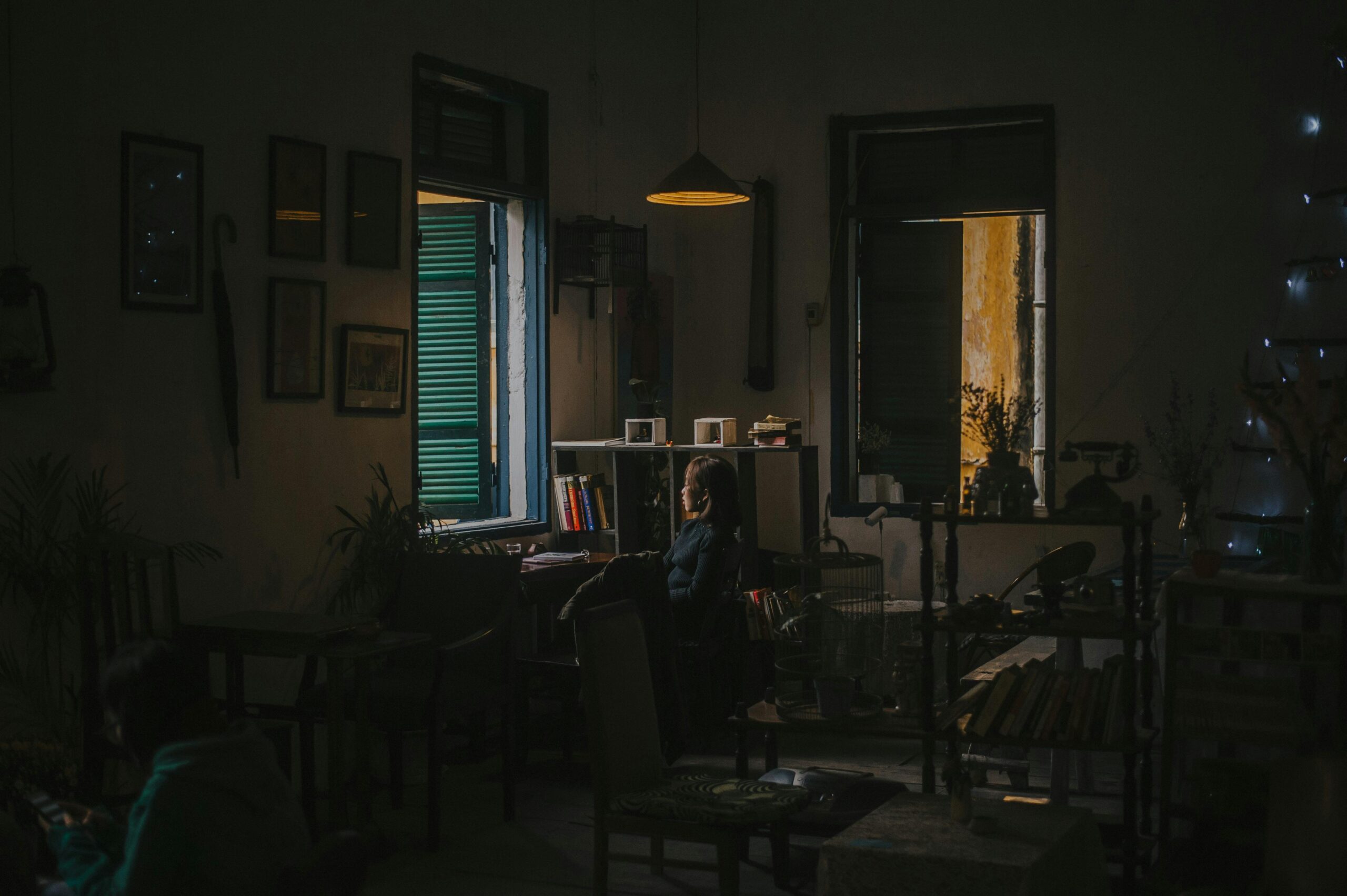
Modern life bombards us with constant stimuli—notifications, noise, clutter, and endless visual chaos. This overwhelming sensory input can leave us feeling drained, anxious, and unable to find peace in our own spaces.

The environments we inhabit directly influence our mental state, productivity, and overall well-being. When our surroundings reflect disorder and overstimulation, our minds mirror that chaos. Learning to transform your environment into a sanctuary of calm isn’t just about aesthetics—it’s about reclaiming your mental clarity and emotional balance in an increasingly noisy world.
🧠 Understanding Overstimulation and Its Impact on Daily Life
Overstimulation occurs when your sensory systems receive more input than your brain can effectively process. In our hyperconnected age, this has become the norm rather than the exception. The consequences extend far beyond momentary discomfort, affecting sleep quality, decision-making abilities, and interpersonal relationships.
Research consistently demonstrates that cluttered, chaotic environments elevate cortisol levels—the stress hormone that wreaks havoc on both physical and mental health. When your brain constantly processes visual clutter, background noise, and digital interruptions, it depletes cognitive resources that could be directed toward creativity, problem-solving, and genuine relaxation.
The modern home has transformed into a multi-functional space where we work, relax, socialize, and sleep—often all within the same rooms. Without intentional boundaries and thoughtful design, these overlapping functions create sensory confusion that prevents true rest and rejuvenation.
🏡 Decluttering as the Foundation of Peaceful Living
Before introducing calming elements, you must first remove what disrupts your peace. Decluttering isn’t simply about tidying up—it’s about making deliberate choices regarding what deserves space in your environment and, by extension, your mental landscape.
The Psychology Behind Physical Clutter
Every item in your visual field requires a micro-decision from your brain: “Is this important? Do I need to act on this? Where does this belong?” When surrounded by hundreds of objects, your brain engages in constant low-level decision-making that exhausts mental resources without your conscious awareness.
Start your decluttering journey by addressing these high-impact areas:
- Flat surfaces like countertops, tables, and desks that accumulate objects
- Entryways where visual chaos begins the moment you arrive home
- Bedroom spaces that should support rest but often harbor distractions
- Digital devices filled with unused apps and overwhelming notifications
- Storage areas that overflow, preventing functional organization
Implementing the “One In, One Out” Rule
Sustainable decluttering requires ongoing maintenance, not just occasional purges. Adopt the practice of removing one item whenever you bring something new into your space. This simple principle prevents the gradual accumulation that leads back to chaos over time.
🎨 Color Psychology: Choosing Hues That Calm Rather Than Stimulate
The colors surrounding you profoundly influence mood, energy levels, and stress responses. While bright, saturated colors can energize and inspire creativity, they can also contribute to overstimulation when used excessively in spaces meant for relaxation.
Cool tones like soft blues, gentle greens, and muted grays activate the parasympathetic nervous system—the body’s natural relaxation response. These colors lower heart rate and blood pressure, creating physiological conditions conducive to calm.
Warm neutrals such as beige, cream, and soft taupe provide grounding without the stark coldness that pure white can introduce. They create cocoon-like environments that feel safe and restorative.
Strategic Color Application
Rather than repainting entire rooms, you can introduce calming colors through textiles, artwork, and accessories. Replace visually busy patterns with solid colors or subtle textures. Consider the 60-30-10 rule: 60% dominant color, 30% secondary color, and 10% accent color to create visual harmony without monotony.
💡 Lighting: The Overlooked Element of Environmental Calm
Harsh overhead lighting creates visual stress and disrupts natural circadian rhythms. The quality, intensity, and color temperature of light dramatically affect how relaxed or agitated you feel in any space.
Natural light remains the gold standard for supporting both alertness during the day and melatonin production at night. Maximize natural light exposure by keeping windows unobstructed and using sheer curtains rather than heavy drapes during daylight hours.
Layering Light for Different Needs
Create lighting flexibility through multiple sources at different heights:
- Ambient lighting provides overall illumination without harsh shadows
- Task lighting focuses on specific activities like reading or cooking
- Accent lighting highlights architectural features or artwork
- Dimmable fixtures allow adjustment based on time of day and activity
As evening approaches, transition to warmer light temperatures (2700K-3000K) that signal to your body that rest is approaching. Avoid blue-spectrum light from screens at least one hour before sleep to support natural melatonin production.
🔇 Sound Management: Creating Acoustic Sanctuaries
Noise pollution represents one of the most significant yet underaddressed sources of overstimulation. Constant background noise—from traffic, appliances, neighbors, or electronics—keeps your nervous system in a perpetual state of alertness.
Sound masking offers a solution when eliminating noise sources isn’t possible. White noise machines, nature soundscapes, or gentle instrumental music can obscure disruptive sounds while providing acoustic consistency that allows your brain to relax its vigilance.
Architectural Sound Solutions
Physical modifications can significantly reduce noise transmission. Thick curtains, area rugs, and upholstered furniture absorb sound reflections. Weather stripping on doors and windows blocks external noise. Even strategically placed bookshelves act as sound dampening barriers.
Designate specific zones as “quiet spaces” where conversation, television, and device use are minimized. Having even a single room dedicated to silence provides essential refuge when overstimulation peaks.
🌿 Bringing Nature Indoors for Biophilic Calm
Humans possess an innate connection to nature—a phenomenon known as biophilia. Incorporating natural elements into indoor spaces reduces stress, improves air quality, and creates visual interest without overwhelming the senses.
Houseplants offer multiple benefits beyond aesthetics. They improve air quality by filtering toxins, introduce calming green tones, and provide living elements that change gradually over time rather than demanding immediate attention like digital devices.
Choose low-maintenance varieties if plant care feels overwhelming. Snake plants, pothos, and ZZ plants thrive with minimal attention while providing maximum visual impact. Even a single plant can transform a sterile space into one that feels alive and nurturing.
Natural Materials and Textures
Beyond living plants, incorporate natural materials like wood, stone, cotton, linen, and wool. These materials possess inherent texture variations that interest the eye without creating visual chaos. They age gracefully rather than appearing damaged, and they connect you to the natural world even within urban environments.
📱 Digital Detoxification: Reclaiming Your Space from Technology
Technology represents perhaps the most pervasive source of modern overstimulation. The constant ping of notifications, the infinite scroll of social media, and the always-on expectation of availability fragment attention and prevent genuine rest.
Establish physical boundaries around technology use. Charging stations located outside bedrooms prevent late-night scrolling and early-morning email checking. Designated device-free zones create spaces where human connection and genuine relaxation take priority.
Notification Management Strategies
Your smartphone doesn’t require your immediate attention for most notifications. Systematically disable non-essential alerts. Schedule specific times to check email and social media rather than responding reactively to every ping. Use “Do Not Disturb” modes liberally, especially during meals, family time, and the hours before sleep.
For those seeking structured support in managing digital overwhelm, apps designed to promote digital wellness can help establish healthier technology relationships:
These tools gamify focus and create accountability around screen time, transforming abstract intentions into concrete behavioral change.
🛏️ The Bedroom: Engineering Your Sleep Sanctuary
Sleep quality determines your resilience to overstimulation. When well-rested, you possess greater capacity to manage sensory input without becoming overwhelmed. Your bedroom environment either supports or sabotages this essential recovery process.
Temperature significantly affects sleep quality. Research indicates that 60-67°F (15-19°C) optimizes sleep for most people. Cool environments facilitate the natural temperature drop that accompanies sleep onset.
Sensory Optimization for Sleep
Evaluate your bedroom through each sense:
- Visual: Remove electronics with LED lights, use blackout curtains, eliminate clutter from sight lines
- Auditory: Use white noise if needed, eliminate ticking clocks, consider earplugs for noise-sensitive sleepers
- Tactile: Invest in comfortable bedding with natural fibers, maintain appropriate room temperature
- Olfactory: Introduce calming scents like lavender through essential oils or sachets
The bedroom should serve only two purposes: sleep and intimacy. Remove work materials, exercise equipment, and entertainment devices that create conflicting associations with the space.
⏰ Establishing Routines That Support Environmental Calm
Even the most beautifully designed environment fails to soothe if your daily rhythms create constant disruption. Routines provide structure that reduces decision fatigue and creates predictable patterns your nervous system finds reassuring.
Morning routines set the tone for your entire day. Instead of immediately checking your phone, begin with activities that ground and center you—stretching, meditation, journaling, or simply sitting with coffee while observing nature through a window.
Evening Wind-Down Rituals
The transition from activity to rest requires intentional decompression. Create an evening sequence that progressively reduces stimulation: dimming lights, lowering noise levels, reducing screen exposure, and engaging in calming activities like reading, gentle stretching, or conversation.
Consistency matters more than perfection. Even a simple 15-minute routine performed regularly signals to your body and mind that rest is approaching, facilitating easier transitions into restorative states.
🧘 Creating Designated Calm Zones
You don’t need to transform your entire home to experience the benefits of a calming environment. Even a single corner dedicated to peace can provide essential refuge during overwhelming moments.
Identify an underutilized space—a corner of your bedroom, a section of living room, or even a closet converted into a meditation nook. Furnish it minimally with only what supports relaxation: a comfortable cushion or chair, soft lighting, perhaps a plant or meaningful object that brings you peace.
This designated space serves as a physical reminder that calm is always accessible. When overstimulation peaks, you have a prepared sanctuary requiring no setup or decision-making—just the simple act of entering and sitting.
🌟 Maintaining Your Peaceful Environment Long-Term
Creating calm is easier than maintaining it. Life naturally tends toward entropy—clutter accumulates, routines slip, and old habits reassert themselves. Sustainable peace requires systems that prevent gradual regression.
Implement daily resets: a five-minute evening tidy where everything returns to its designated place. This small investment prevents the overwhelming weekend cleanup sessions that themselves become sources of stress.
Regular Environmental Audits
Schedule quarterly reviews of your space. Walk through each room with fresh eyes, asking: “Does this support my wellbeing or detract from it?” Items and arrangements that once served you may no longer align with your current needs.
Peaceful living isn’t a destination but an ongoing practice of alignment between your environment and your values. As you change, your space should evolve with you, continuously supporting rather than hindering your journey toward calm.

💫 The Ripple Effects of Environmental Transformation
The benefits of a calming environment extend far beyond immediate stress reduction. When your home becomes a true sanctuary, you approach external challenges with greater resilience. Creativity flourishes in spaces that support rather than drain mental resources. Relationships deepen when environments facilitate genuine presence rather than constant distraction.
Children growing up in intentionally calm environments learn that peace is normal rather than exceptional. They develop nervous systems calibrated to tranquility rather than chaos, carrying this foundation throughout their lives.
Your transformed environment influences not just you but everyone who enters it. Guests immediately sense the difference, often commenting on feeling unexpectedly relaxed or at ease. You create a model that inspires others to reconsider their own relationships with their spaces.
The journey from chaos to calm requires neither perfection nor significant financial investment. It demands only intention, consistency, and willingness to prioritize your wellbeing through thoughtful environmental design. Each small change compounds, gradually transforming overstimulating spaces into sanctuaries that nourish rather than deplete you. In learning to calm the chaos around you, you discover the profound peace that was always waiting beneath the noise. 🕊️