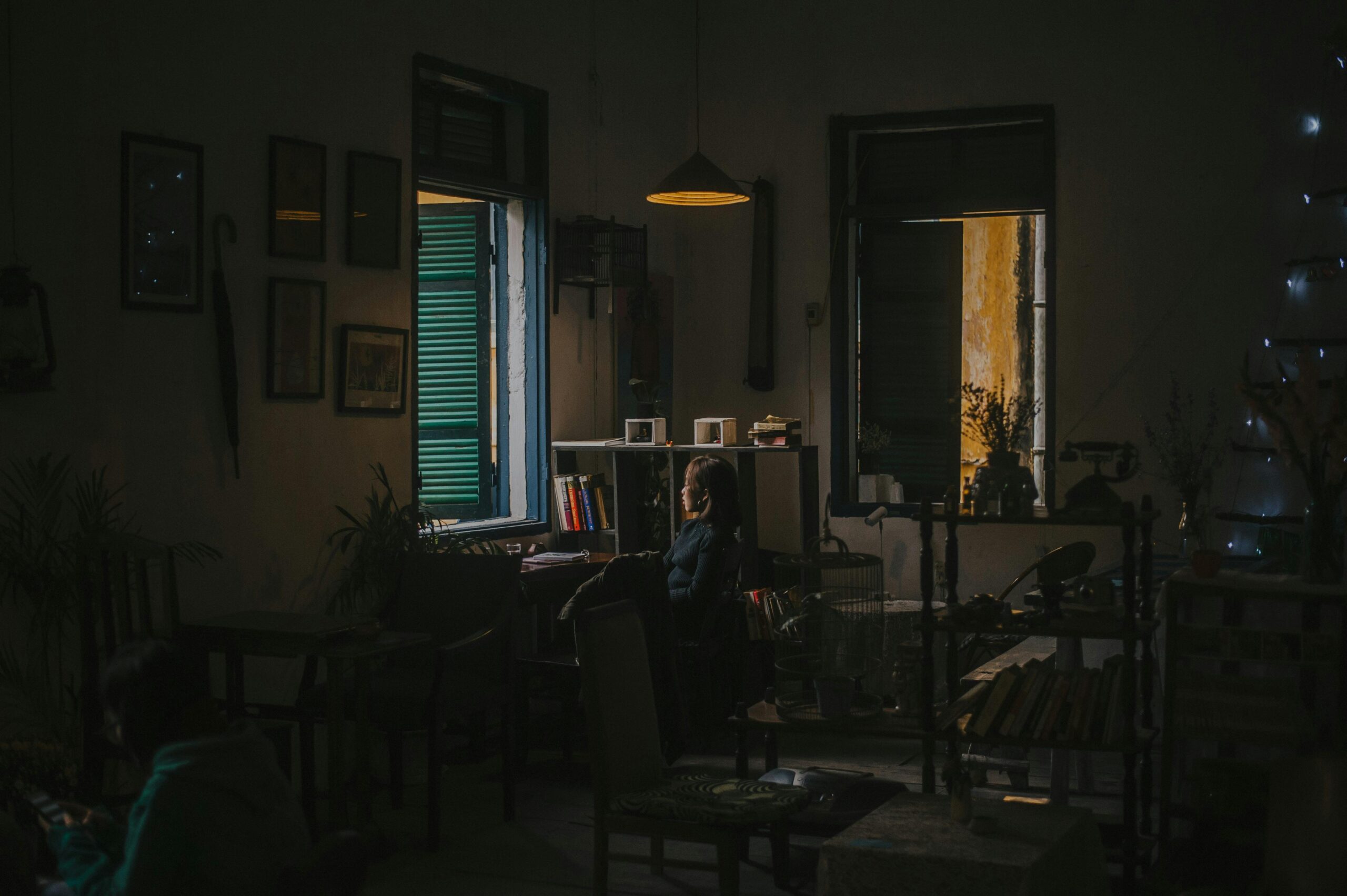
Living with visual sensitivity can feel like navigating a world that’s too bright, too intense, or simply overwhelming. This condition affects millions globally, yet many struggle in silence without proper understanding or support.

Whether you’re experiencing light sensitivity yourself or supporting someone who does, understanding the nuances of this condition is crucial for creating a more comfortable daily experience. Visual sensitivity encompasses various challenges that go beyond simply disliking bright lights, affecting quality of life in profound ways that deserve attention and compassionate solutions.
🔍 Understanding Visual Sensitivity: More Than Just Light Discomfort
Visual sensitivity, also known as photophobia or light sensitivity, represents a complex neurological response where the eyes and brain react adversely to light stimulation. This isn’t simply about preferring dimmer environments—it’s a legitimate condition that can cause physical pain, headaches, and significant discomfort.
The condition manifests differently across individuals. Some people experience discomfort only in bright sunlight, while others struggle with fluorescent lighting, computer screens, or even moderately lit indoor spaces. The intensity can range from mild annoyance to debilitating pain that forces individuals to retreat into darkness.
Research indicates that approximately 80% of migraine sufferers experience photophobia during attacks, but visual sensitivity exists independently as well. The trigeminal nerve, which provides sensation to the face and eyes, plays a significant role in transmitting these uncomfortable signals to the brain.
The Science Behind Light-Induced Discomfort
Our eyes contain specialized photoreceptor cells called rods and cones that detect light and transmit visual information. In people with visual sensitivity, these cells or the neural pathways processing their signals may function differently, creating an amplified response to normal light levels.
Recent neuroscience research has identified specific retinal ganglion cells that respond to light intensity and communicate directly with brain regions involved in pain processing. This connection explains why light exposure can trigger genuine physical pain rather than mere discomfort.
💡 Common Causes and Underlying Conditions
Visual sensitivity rarely occurs in isolation. Understanding potential underlying causes helps in developing effective management strategies and seeking appropriate medical guidance.
Neurological Connections
Migraines represent one of the most common conditions associated with light sensitivity. During migraine episodes, the brain becomes hyperexcitable, amplifying sensory input including visual stimuli. Many people report that light exposure can trigger or worsen migraine attacks.
Traumatic brain injuries frequently result in persistent visual sensitivity. Even mild concussions can disrupt normal visual processing, creating long-lasting photophobia that interferes with recovery and daily functioning.
Eye-Related Factors
Several ocular conditions directly contribute to light sensitivity:
- Corneal abrasions or infections that make the eye surface highly reactive
- Uveitis and other inflammatory eye conditions
- Dry eye syndrome, where inadequate tear production increases light sensitivity
- Albinism, which reduces protective pigmentation in the eyes
- Recent eye surgery or procedures requiring healing time
Systemic Health Conditions
Various health conditions beyond the eyes and brain can trigger visual sensitivity. Meningitis, certain autoimmune disorders, and even anxiety disorders have documented connections to photophobia. Some medications, particularly those affecting pupil dilation, can temporarily increase light sensitivity as a side effect.
🌟 Recognizing the Signs and Symptoms
Identifying visual sensitivity involves recognizing patterns of discomfort and their triggers. Symptoms extend beyond simply squinting in bright environments.
Common indicators include persistent squinting even in moderately lit spaces, frequent headaches associated with light exposure, and eye pain or burning sensations when exposed to various light sources. Many people experience excessive tearing, the urge to close their eyes frequently, or difficulty keeping eyes open in normal lighting conditions.
Visual sensitivity often comes with associated symptoms that signal the broader impact on neurological function. Neck tension, nausea when exposed to bright lights, difficulty concentrating in well-lit environments, and general eye fatigue all point toward this condition.
When to Seek Professional Evaluation ⚕️
While mild light sensitivity might seem manageable, certain situations warrant professional medical attention. Sudden onset of severe photophobia, especially when accompanied by headache, fever, or neck stiffness, requires immediate evaluation to rule out serious conditions like meningitis.
Progressive worsening of symptoms, light sensitivity following head injury, persistent eye pain, or visual changes alongside photophobia all indicate the need for comprehensive examination by an ophthalmologist or neurologist.
🛡️ Practical Strategies for Daily Management
Managing visual sensitivity effectively requires a multifaceted approach combining environmental modifications, protective measures, and lifestyle adjustments.
Optimizing Your Indoor Environment
Your home and workspace should serve as comfortable refuges rather than sources of discomfort. Start by replacing harsh overhead fluorescent lighting with softer, warmer LED bulbs that emit less blue light. Dimmer switches provide valuable control over lighting intensity throughout the day.
Natural light requires management too. Install blackout curtains or adjustable blinds that allow you to control sunlight penetration. Sheer curtains can diffuse harsh direct sunlight while maintaining some natural illumination.
Position computer monitors and televisions away from windows to minimize glare. Consider using matte screen protectors that reduce reflective glare without compromising visibility.
Digital Screen Comfort Solutions 📱
Modern life demands significant screen time, making digital comfort essential for those with visual sensitivity. Enable dark mode on all devices to reduce overall light emission. Most smartphones, computers, and applications now offer this option.
Blue light filtering represents a crucial strategy. Whether through built-in device settings like Night Shift (iOS) or Night Light (Windows), or dedicated applications, reducing blue light wavelengths significantly decreases eye strain and discomfort.
Maintain appropriate screen brightness levels—your display should match the ambient lighting in your environment rather than appearing as the brightest object in the room. The 20-20-20 rule helps: every 20 minutes, look at something 20 feet away for 20 seconds.
Protective Eyewear That Actually Works
Specialized eyewear provides mobile protection wherever you go. Polarized sunglasses effectively reduce glare from reflective surfaces, particularly valuable outdoors. Look for lenses that block 99-100% of UV rays.
FL-41 tinted lenses, specifically designed for light sensitivity and migraine management, filter wavelengths most commonly associated with photophobia. Studies show these rose-tinted lenses reduce light-triggered discomfort for many users.
Indoor light sensitivity glasses with subtle tints help manage fluorescent and LED lighting without appearing as darkly tinted sunglasses. These bridge the gap between regular glasses and sunglasses for indoor comfort.
🌿 Lifestyle Adjustments for Long-Term Relief
Beyond immediate protective measures, certain lifestyle modifications support better visual comfort and potentially reduce sensitivity over time.
Nutrition and Hydration Matters
Adequate hydration supports healthy tear production, which protects eyes and reduces sensitivity. Dehydration exacerbates dry eye symptoms, which in turn worsens photophobia.
Omega-3 fatty acids, found in fish oil, flaxseed, and walnuts, support eye health and may reduce inflammation contributing to light sensitivity. Magnesium supplements show promise in migraine management, potentially reducing associated photophobia.
Riboflavin (vitamin B2) has demonstrated effectiveness in migraine prevention studies, which may indirectly benefit light sensitivity. Always consult healthcare providers before starting new supplements.
Sleep Hygiene and Visual Comfort
Quality sleep profoundly impacts neurological sensitivity, including photophobia. Irregular sleep patterns can trigger migraines and increase overall sensory sensitivity.
Create a dark, cool sleeping environment that promotes restorative rest. Use blackout curtains and eliminate electronic device lights. Establish consistent sleep and wake times to regulate your body’s natural rhythms.
Stress Management Techniques
Stress amplifies sensory sensitivity across all systems. Chronic stress keeps the nervous system in heightened states that magnify light discomfort.
Regular meditation or mindfulness practices help regulate nervous system responses. Even 10 minutes daily can reduce overall sensitivity levels. Progressive muscle relaxation specifically addresses tension that often accompanies visual sensitivity.
Gentle yoga, particularly restorative practices, combines stress reduction with physical relaxation. Avoid hot yoga or intense practices that might trigger migraine-related photophobia.
🏥 Medical Treatments and Interventions
When lifestyle modifications and protective measures prove insufficient, medical interventions offer additional support.
Pharmaceutical Approaches
For migraine-associated photophobia, preventive medications can reduce attack frequency and severity. Triptans, CGRP inhibitors, and traditional preventive medications all show effectiveness for appropriate candidates.
Underlying eye conditions require specific treatments. Artificial tears address dry eye syndrome, while anti-inflammatory medications treat conditions like uveitis. Treating the root cause often resolves associated light sensitivity.
Therapeutic Options
Vision therapy, administered by specialized optometrists, can help retrain visual processing in some cases. This approach shows particular promise for post-concussion photophobia.
Botox injections, FDA-approved for chronic migraine, may reduce photophobia episodes by preventing migraine attacks. This treatment requires evaluation by a qualified neurologist or headache specialist.
📊 Comparing Management Strategies
| Strategy | Effectiveness | Implementation Ease | Cost |
|---|---|---|---|
| Environmental lighting control | High | Easy | Low-Medium |
| Specialized tinted lenses | High | Easy | Medium |
| Screen brightness/filters | Medium-High | Very Easy | Free-Low |
| Dietary supplements | Medium | Easy | Low |
| Prescription medications | Varies | Requires physician | Medium-High |
| Vision therapy | Medium | Requires specialist | High |
💪 Building Your Support Network
Living with visual sensitivity can feel isolating, but building a supportive network makes tremendous difference in managing the condition and maintaining quality of life.
Educating Those Around You
Family, friends, and colleagues may not immediately understand invisible conditions like photophobia. Clear, patient communication helps others comprehend your needs without feeling dismissed or dramatic.
Explain that visual sensitivity involves genuine physical discomfort, not mere preference. Share specific ways others can support you, like dimming lights during gatherings or choosing restaurants with adjustable lighting.
Workplace Accommodations
Many countries recognize visual sensitivity as a condition warranting reasonable workplace accommodations. Request adjustments like desk placement away from windows, permission to use tinted glasses indoors, or modified lighting in your workspace.
Document your condition through medical professionals to support accommodation requests. Most employers appreciate proactive communication about needs that enable better productivity.
Online Communities and Resources
Connecting with others experiencing similar challenges provides validation, practical tips, and emotional support. Online forums dedicated to migraine, light sensitivity, and chronic conditions offer spaces to share experiences and learn from others’ strategies.
🌈 Embracing a Brighter Future Despite Sensitivity
Visual sensitivity need not define or limit your life. With proper understanding, strategic management, and appropriate support, most people successfully navigate daily activities while minimizing discomfort.
Start with small, manageable changes rather than attempting complete lifestyle overhauls. Perhaps begin by adjusting your bedroom lighting, then gradually extend modifications to other spaces. Experiment with different protective eyewear options to find what works best for your specific needs.
Track your symptoms and triggers in a journal or smartphone app. Patterns often emerge that reveal specific wavelengths, times of day, or situations that cause problems, enabling more targeted interventions.
The Power of Personalized Approaches
Remember that visual sensitivity manifests uniquely in each person. Strategies that provide relief for others might not work identically for you, and that’s completely normal. The most effective management plan combines evidence-based approaches customized to your specific triggers, lifestyle, and preferences.
Remain patient with yourself during the adjustment process. Finding the right combination of protective measures, environmental modifications, and medical interventions often requires experimentation and time.
Advocating for Greater Awareness
As understanding of visual sensitivity grows within medical communities and society generally, resources and support continue expanding. By openly discussing your experiences when comfortable, you contribute to greater awareness that benefits everyone affected by this condition.
The future holds promising developments in treatment options, from advanced lens technologies to new pharmaceutical approaches targeting the neurological mechanisms underlying photophobia. Research continues revealing the complex connections between light processing, pain pathways, and sensory integration.
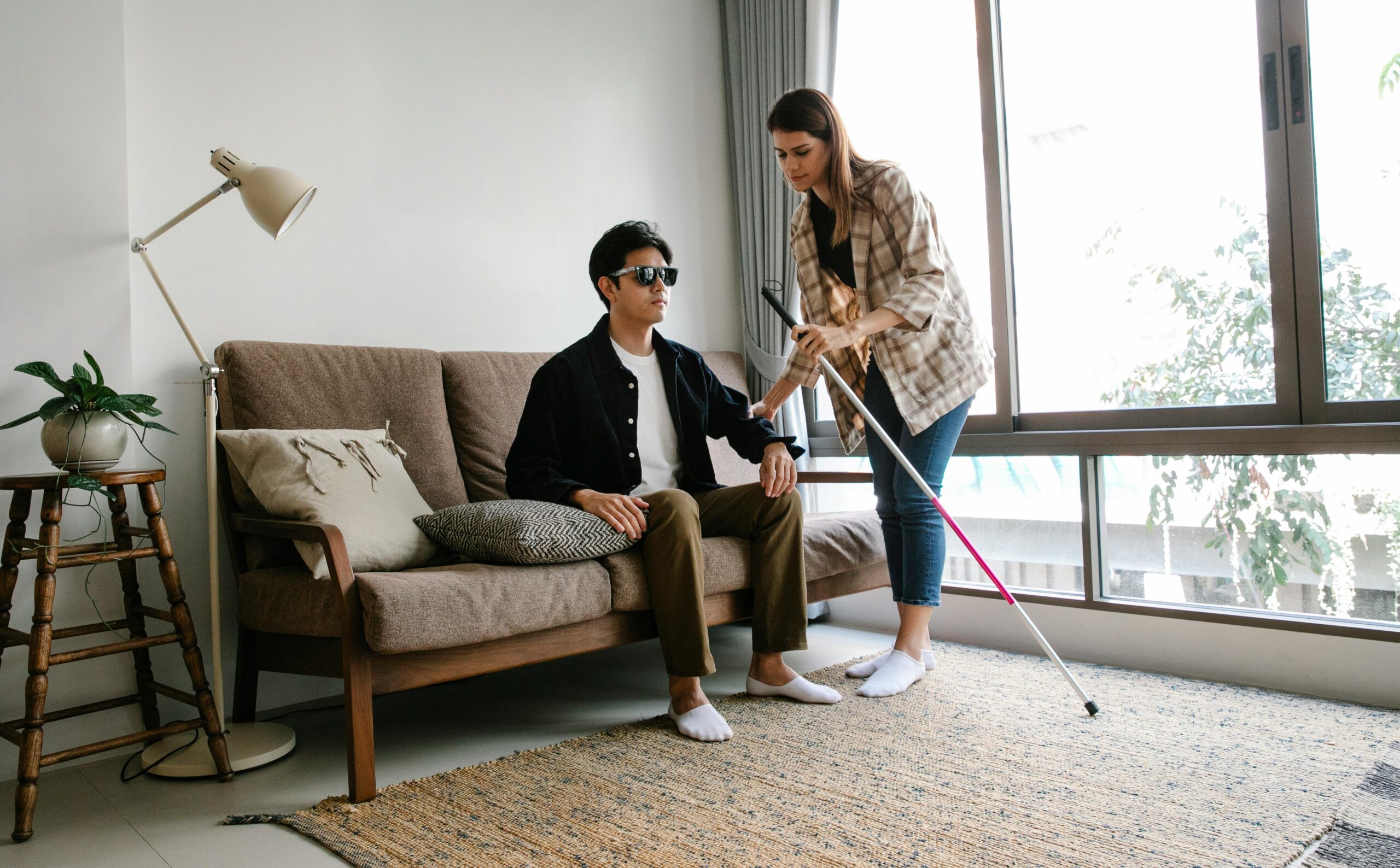
🎯 Taking the First Step Today
If you suspect visual sensitivity affects your life, taking action today sets you on the path toward greater comfort. Schedule a comprehensive eye examination to rule out treatable ocular conditions. Consult with a neurologist if headaches or migraines accompany your light sensitivity.
Implement one simple change this week—perhaps installing a dimmer switch in your most-used room or trying blue light filtering on your devices. Small steps accumulate into significant improvements over time.
Visual sensitivity challenges millions, but with knowledge, strategy, and support, you can reclaim comfort and confidence in navigating the visual world. Your sensitivity doesn’t represent weakness or limitation—it’s simply your unique neurological wiring that deserves understanding and accommodation.
By mastering the insights and strategies outlined here, you’re not just managing symptoms; you’re actively creating a life where visual comfort supports your goals, relationships, and wellbeing. The journey toward brightness without discomfort begins with a single, informed step—and you’ve already taken it by seeking understanding.