
In today’s fast-paced world, finding moments of peace and tranquility has become more essential than ever. Creating dedicated spaces for relaxation and emotional regulation can transform how we manage stress, anxiety, and overwhelming emotions in both home and educational environments.

Calm-down corners have emerged as powerful tools for promoting mental wellness, emotional intelligence, and self-regulation across all age groups. By incorporating thoughtfully designed posters and visual aids, these spaces become inviting sanctuaries where individuals can retreat, reset, and return to their daily activities with renewed focus and emotional balance.
🌿 Understanding the Power of Calm-Down Corners
A calm-down corner is more than just a physical space—it’s a designated area specifically designed to help individuals process emotions, practice mindfulness, and develop healthy coping mechanisms. These corners serve as safe havens where children, teenagers, and even adults can step away from stressful situations and engage in self-soothing activities.
The concept originated in educational psychology and therapeutic settings but has rapidly gained popularity in homes, classrooms, offices, and community centers. The effectiveness of these spaces lies in their ability to provide predictable, comforting environments where emotional regulation becomes a learned skill rather than an abstract concept.
Research consistently demonstrates that having dedicated relaxation spaces significantly reduces behavioral incidents, improves emotional awareness, and enhances overall well-being. When enhanced with visual supports like posters, these corners become even more effective at guiding individuals through calming strategies.
Why Visual Supports Make All the Difference 📊
Posters and visual aids are fundamental components of successful calm-down corners. They serve multiple purposes: providing clear instructions during moments of emotional distress, offering visual reminders of coping strategies, and creating an atmosphere that signals safety and tranquility.
Visual learners, who comprise approximately 65% of the population, particularly benefit from poster-based guidance. When emotions run high and verbal processing becomes difficult, images and simple text can communicate what words alone cannot. This makes posters invaluable tools for individuals of all ages, especially children who are still developing language skills.
The Neurological Benefits of Visual Cues
The human brain processes visual information 60,000 times faster than text, making posters highly effective during emotional escalation. When someone enters a calm-down corner feeling overwhelmed, colorful, well-designed posters can immediately capture attention and redirect focus toward constructive activities.
Visual supports also create consistency and predictability, which are essential for emotional regulation. When individuals know exactly what to expect in their calm-down corner, they feel more secure and are more likely to utilize the space effectively.
Essential Elements of Effective Calm-Down Corner Posters 🎨
Not all posters are created equal when it comes to creating peaceful, functional relaxation spaces. The most effective calm-down corner posters share several key characteristics that maximize their impact on emotional regulation and stress reduction.
Color Psychology and Visual Design
Colors profoundly affect mood and emotional state. Effective calm-down corner posters typically feature soothing color palettes including soft blues, greens, purples, and neutral tones. These colors are scientifically proven to reduce heart rate, lower blood pressure, and promote feelings of calm.
Avoid overwhelming color combinations or highly stimulating shades like bright reds and oranges in spaces designed for relaxation. The visual design should be clean, uncluttered, and easy to scan quickly, even when someone is experiencing emotional distress.
Age-Appropriate Content and Language
Posters should be tailored to the developmental stage of primary users. For young children, this means simple language, large images, and concrete strategies. Preschoolers respond well to posters featuring breathing exercises illustrated with bubbles or balloons, or simple emotion faces showing different feelings.
Elementary-age children benefit from posters that introduce more sophisticated concepts like the “feelings thermometer” or step-by-step calming sequences. Teenagers and adults appreciate posters with meaningful quotes, mindfulness reminders, and evidence-based stress management techniques presented with aesthetic appeal.
🧘 Types of Posters That Transform Spaces
Creating a comprehensive calm-down corner involves incorporating various types of posters, each serving a specific purpose in the emotional regulation process. A well-designed space typically includes several poster categories working together harmoniously.
Breathing Exercise Posters
Deep breathing remains one of the most effective immediate stress-reduction techniques. Posters that guide users through breathing exercises—such as box breathing, belly breathing, or the 4-7-8 technique—provide visual cues that make these practices accessible even during heightened emotional states.
Effective breathing posters often incorporate visual metaphors like flowers to smell, candles to blow out, or waves to breathe with. These concrete images help younger users understand abstract breathing concepts and make the practice more engaging.
Emotion Identification Charts
Before individuals can regulate emotions, they must first identify what they’re feeling. Emotion identification posters featuring faces, color-coded feelings, or emotion wheels help users name their experiences, which is the critical first step in emotional processing.
These posters validate the full spectrum of human emotions and communicate that all feelings are acceptable, even if all behaviors aren’t. This distinction is particularly important for children learning emotional literacy.
Coping Strategy Menus
Posters displaying various coping strategies give users options when they need to calm down. These might include activities like counting to ten, squeezing a stress ball, drawing, listening to music, or doing gentle stretches. Presenting multiple options acknowledges that different strategies work for different people and different situations.
Visual coping menus empower users by putting them in control of their regulation process. This sense of agency is therapeutic and helps develop long-term emotional management skills.
Positive Affirmation Posters
Self-talk significantly influences emotional state. Posters featuring positive affirmations like “I am strong,” “This feeling will pass,” or “I can handle hard things” provide cognitive reframing tools during difficult moments.
For maximum effectiveness, affirmation posters should use present-tense, positive language and feature uplifting imagery. These messages gradually become internalized with repeated exposure, building resilience over time.
Creating Calm-Down Corners in Different Environments 🏡
The principles of calm-down corners remain consistent across settings, but implementation varies depending on available space, primary users, and specific needs. Successful adaptation requires understanding the unique characteristics of each environment.
Home-Based Relaxation Spaces
In homes, calm-down corners can be established in bedrooms, playrooms, or quiet corners of living areas. The space doesn’t need to be large—even a small nook with a comfortable cushion, a few posters, and some calming tools can be highly effective.
For families with multiple children, consider creating personalized spaces that reflect each child’s preferences and needs. Allow children to participate in selecting posters and decorating their calm-down area, which increases investment and usage.
Home calm-down corners should be easily accessible but somewhat separated from high-traffic areas. This balance ensures children can retreat when needed without feeling isolated from the family.
Classroom Calm-Down Corners
In educational settings, calm-down corners serve entire classrooms of diverse learners. Teachers should position these spaces where they’re visible for monitoring but not directly in the center of classroom activity. This placement prevents the corner from becoming a distraction while allowing teachers to provide support when needed.
Classroom posters should reflect the full range of student developmental levels and learning styles. Including posters in multiple languages when appropriate demonstrates cultural responsiveness and ensures all students can access the resources.
Establish clear expectations about how and when students can use the calm-down corner. Posters outlining these guidelines help integrate the space into classroom routines and prevent misuse.
Therapeutic and Counseling Settings
Mental health professionals increasingly incorporate calm-down corners into therapy rooms and counseling offices. In these settings, posters can be more clinical and introduce therapeutic concepts like cognitive behavioral therapy techniques, grounding exercises, or trauma-informed coping strategies.
Professional settings benefit from posters that explain the science behind relaxation techniques, helping clients understand why certain strategies work and increasing their willingness to practice them independently.
💡 DIY vs. Professional Poster Options
When establishing a calm-down corner, you’ll need to decide between creating custom posters or purchasing professionally designed materials. Both approaches have distinct advantages depending on your situation, budget, and design skills.
Benefits of DIY Poster Creation
Creating your own posters allows complete customization to specific needs, preferences, and cultural contexts. This approach is often more budget-friendly and enables you to involve children or students in the design process, which increases engagement and ownership.
Numerous free online tools and templates make DIY poster creation accessible even without graphic design experience. You can continuously update and refine your posters as needs change, maintaining relevance over time.
Advantages of Professional Designs
Professionally designed calm-down corner posters typically feature higher quality graphics, evidence-based content, and cohesive visual aesthetics that can be difficult to achieve independently. These materials often come with implementation guides and supporting resources that enhance effectiveness.
Investing in professional posters can save significant time and ensure your calm-down corner looks polished and intentional. Many educators and parents find that professionally designed materials are taken more seriously by users, particularly older children and teenagers.
🌟 Maximizing the Impact of Your Calm-Down Corner
Simply hanging posters and designating a space isn’t enough to create an effective calm-down corner. Maximizing impact requires thoughtful implementation, consistent reinforcement, and ongoing evaluation of what works.
Introducing the Space Properly
Dedicate time to formally introducing your calm-down corner when emotions are stable, not during moments of crisis. Walk through each poster, explaining its purpose and demonstrating techniques. Practice using the space together so it feels familiar and comfortable.
Frame the calm-down corner as a positive resource rather than a punishment. The language you use matters tremendously—talk about “taking a break to feel better” rather than “going to time-out.” This positive framing encourages voluntary use and removes stigma.
Modeling Usage
Adults should model using calm-down strategies themselves. When you’re feeling stressed, verbally acknowledge it and demonstrate using a poster-guided technique. This normalizes emotional experiences and shows that everyone benefits from regulation strategies, not just children.
Modeling also provides opportunities to think aloud through the regulation process, making internal strategies visible and learnable for observers.
Regular Practice and Skill Building
Don’t wait for meltdowns to introduce calm-down corner techniques. Build regular practice into daily routines through scheduled mindfulness moments, morning breathing exercises, or evening gratitude practices guided by your posters.
This proactive approach develops skills during calm states, making them accessible during stressed states. Just as athletes practice skills before competition, emotional regulation requires practice before crises occur.
Measuring Success and Making Adjustments 📈
Effective calm-down corners evolve based on user needs and observed outcomes. Regular evaluation ensures your space remains relevant and maximally beneficial over time.
Track usage patterns to identify which posters are most frequently referenced and which go ignored. This information guides decisions about what to keep, remove, or add. Consider periodically rotating posters to maintain novelty and interest while keeping core materials consistently available.
Gather feedback from users about what helps and what doesn’t. Children can provide valuable insights about which posters they find most useful, which colors they find calming, and what additional resources they wish were available.
Notice broader patterns in emotional regulation and behavior. Are meltdowns decreasing in frequency or intensity? Are individuals using calm-down strategies independently? Are recovery times improving? These indicators reveal whether your calm-down corner is achieving its intended purpose.
Creating Portable Calm-Down Resources 🎒
While dedicated physical spaces are ideal, calm-down strategies need to be accessible everywhere. Consider creating portable versions of your most effective posters in formats like small cards, keychain attachments, or digital images saved on devices.
These portable resources extend the benefits of your calm-down corner beyond its physical boundaries. Children can carry coping strategy cards in backpacks for use at school, during travel, or in any situation where their dedicated space isn’t available.
Digital versions of calm-down corner posters can be particularly useful for teenagers and adults who may resist traditional physical materials but regularly use smartphones or tablets. Screen-saved images provide discreet access to regulation reminders whenever needed.
🌈 The Long-Term Benefits of Relaxation Spaces
The impact of well-designed calm-down corners extends far beyond immediate emotional regulation. These spaces teach lifelong skills that influence mental health, relationships, academic and professional success, and overall quality of life.
Children who learn to recognize and regulate emotions early develop stronger social skills, perform better academically, and experience fewer mental health challenges. The neural pathways formed through regular regulation practice become stronger over time, making emotional management increasingly automatic.
Adults who establish personal calm-down spaces report reduced anxiety, improved stress management, better sleep quality, and enhanced emotional resilience. The practice of stepping away from stressors and engaging in intentional calming activities creates healthy boundaries and prevents burnout.
Perhaps most importantly, calm-down corners demonstrate that mental wellness deserves dedicated time, space, and resources. This message combats stigma and normalizes emotional care as an essential aspect of health maintenance, just like physical exercise or proper nutrition.
Building Your Personalized Serenity Space Today 🛠️
Creating a calm-down corner doesn’t require extensive resources, large budgets, or professional expertise. Start small with just a few essential elements and expand over time as you discover what works best for your specific situation.
Begin by selecting a location that feels naturally calm and somewhat private. Add a comfortable seating option—this might be a cushion, beanbag chair, yoga mat, or simply a soft rug. Choose three to five posters addressing your priority areas, such as breathing exercises, emotion identification, and coping strategies.
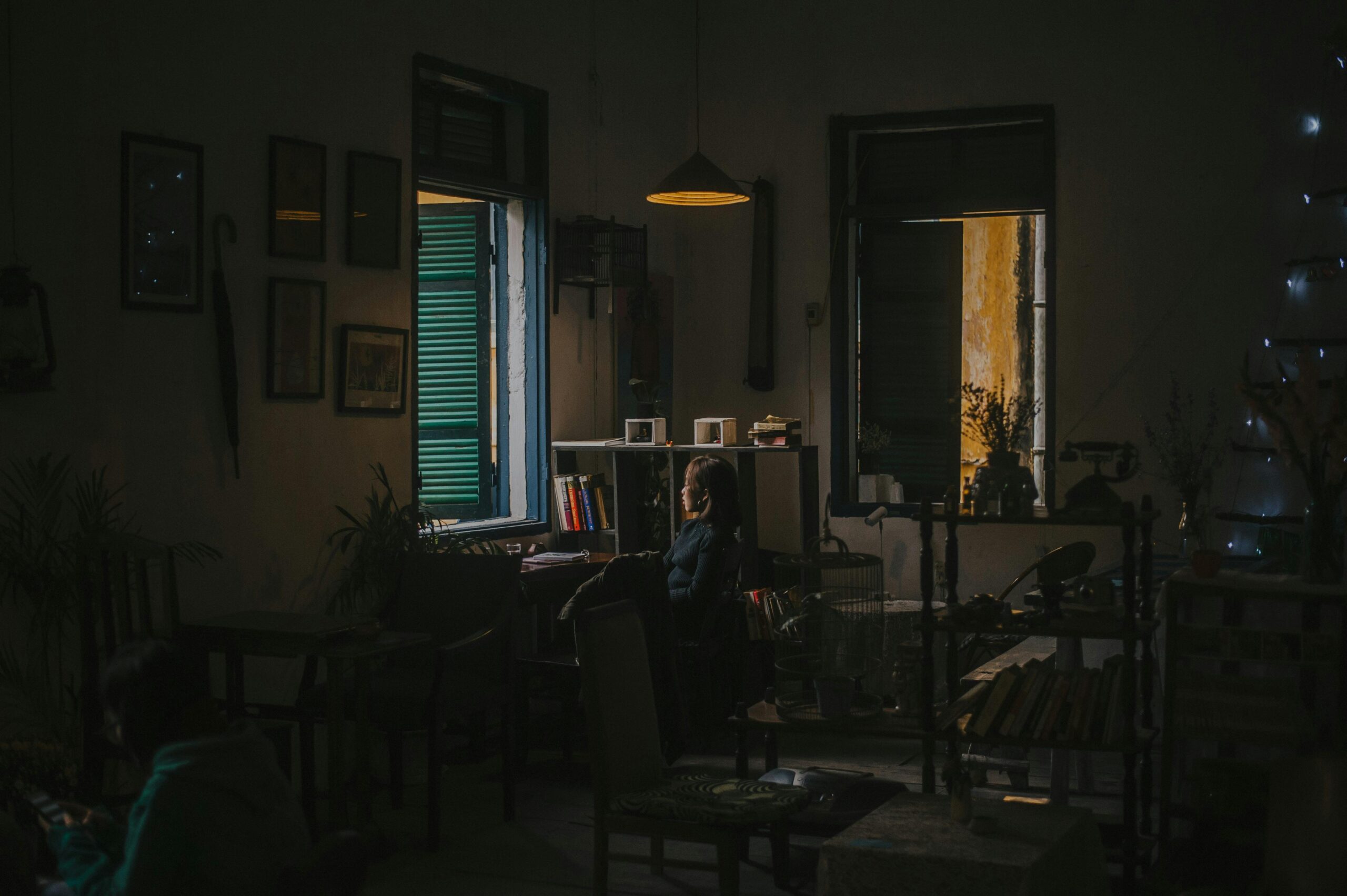
Include a few tangible calming tools like stress balls, fidget items, or art supplies to complement the visual guidance provided by posters. Consider adding sensory elements like a small plant, soft lighting, or a white noise machine to enhance the peaceful atmosphere.
Most importantly, commit to actually using your calm-down corner. Spaces only work when people engage with them regularly. Make your relaxation haven a functional part of daily life rather than an ignored decoration, and you’ll discover its transformative potential.
The journey toward emotional wellness and stress management becomes significantly easier when you have a dedicated space supporting those goals. Calm-down corner posters provide the visual guidance, strategy reminders, and peaceful atmosphere that transform ordinary corners into powerful tools for mental health and serenity. Whether in homes or classrooms, these thoughtfully designed spaces offer everyone the gift of accessible, effective emotional regulation whenever it’s needed most.