
Creating a sensory-friendly classroom isn’t just about accommodating students with special needs—it’s about designing learning spaces where every student can thrive, focus, and feel genuinely comfortable.

Modern classrooms serve diverse learners with varying sensory processing abilities, attention spans, and environmental needs. By understanding and implementing sensory-friendly strategies, educators can transform chaotic, overwhelming spaces into calm havens that promote concentration, reduce anxiety, and enhance academic performance for all students, regardless of their neurological profiles or learning styles.
🧠 Understanding Sensory Processing in Educational Settings
Sensory processing refers to how our nervous system receives messages from the senses and turns them into appropriate motor and behavioral responses. In classroom environments, students constantly process visual, auditory, tactile, olfactory, and proprioceptive input simultaneously.
Some students are sensory seekers who crave additional stimulation, while others are sensory avoiders who become easily overwhelmed by typical classroom stimuli. Many students fall somewhere in between, with specific sensitivities to particular sensory inputs like fluorescent lighting, background noise, or scratchy fabrics.
When sensory needs aren’t met, students may exhibit behaviors that teachers sometimes misinterpret as defiance, laziness, or lack of interest. A child covering their ears might not be ignoring instructions—they could be experiencing genuine pain from auditory overload. Understanding these differences is the foundation of creating truly inclusive learning environments.
🎨 Visual Environment Modifications for Enhanced Focus
The visual landscape of a classroom significantly impacts student concentration and stress levels. Overly cluttered walls, harsh lighting, and chaotic color schemes can create visual overwhelm that makes focusing on academic tasks nearly impossible for sensitive learners.
Optimizing Classroom Lighting
Fluorescent lights are among the most common sensory triggers in traditional classrooms. These lights flicker at frequencies that some students can detect, causing headaches, eye strain, and difficulty concentrating. Whenever possible, replace fluorescent bulbs with LED alternatives that produce steadier illumination without the subtle flicker.
Natural lighting should be maximized through strategic use of windows, but with options for students to control glare. Installing adjustable blinds or curtains allows for personalization based on time of day and individual needs. Consider creating zones within your classroom with different lighting intensities—brighter areas for detailed work and dimmer spaces for reading or calming activities.
Reducing Visual Clutter
While colorful bulletin boards and student work displays create welcoming spaces, excessive visual stimulation can be counterproductive. Adopt a “less is more” philosophy by rotating displays seasonally rather than covering every available surface simultaneously.
Designate specific areas for visual information—one wall for the daily schedule, another for student work, and another for subject-specific resources. Use neutral background colors for bulletin boards, allowing the displayed work to stand out without competing visual elements. Consider using fabric panels or curtains that can temporarily cover displays when students need reduced visual input during testing or focusing activities.
Color Psychology in Classroom Design
Colors profoundly affect mood, energy levels, and concentration. Cool colors like soft blues, greens, and lavenders promote calmness and focus, making them ideal for main wall colors. Reserve brighter, energizing colors like yellow and orange for small accent areas or specific activity zones.
Create a cohesive color scheme rather than a rainbow of competing hues. This doesn’t mean classrooms should be boring—it means being intentional about where and how color is introduced to support rather than distract from learning objectives.
🔇 Acoustic Strategies for Noise Management
Auditory sensitivity affects more students than most educators realize. Background noise from hallways, HVAC systems, buzzing lights, and classmate conversations can make it nearly impossible for some learners to process verbal instructions or concentrate on tasks.
Sound-Absorbing Materials
Hard surfaces like tile floors, concrete walls, and laminate furniture create echo and amplify noise. Introduce sound-absorbing materials strategically throughout your classroom to dampen acoustic chaos. Area rugs, fabric wall hangings, acoustic ceiling tiles, curtains, and upholstered furniture all help absorb sound waves.
Even small changes make significant differences. Tennis balls on chair legs eliminate the scraping sound that grates on sensitive ears. Foam cushions on seats reduce the impact noise of students sitting down. Fabric storage bins create less noise than plastic alternatives when materials are retrieved or returned.
Creating Quiet Zones
Designate a specific area of your classroom as a quiet zone where students can retreat when auditory input becomes overwhelming. This space should be visually calming, have soft surfaces, and be positioned away from high-traffic areas and noise sources like doors or pencil sharpeners.
Provide noise-canceling headphones or earplugs that any student can access without needing permission or explanation. Normalizing these tools removes stigma and ensures students feel empowered to meet their own sensory needs proactively.
Establishing Sound Expectations
Create a visual volume chart with clear indicators for different activity types: silent work, whisper voices, table talk, and presentation voices. Students, especially younger ones, often struggle to calibrate their volume appropriately without concrete guidance.
Use non-verbal signals to remind students about volume rather than adding to the noise by verbally redirecting. A specific hand signal, dimming lights briefly, or ringing a chime provides the cue without creating additional auditory input.
✋ Tactile Considerations for Comfortable Learning
Touch is a powerful but often overlooked sensory system in educational settings. From the texture of paper to the temperature of desks, tactile experiences influence student comfort and engagement throughout the school day.
Flexible Seating Options
Traditional hard chairs with rigid seating requirements don’t accommodate diverse tactile and proprioceptive needs. Incorporate various seating options including exercise balls, wobble cushions, bean bags, standing desks, floor cushions, and rocking chairs.
Allow students to choose seating based on their current needs rather than assigning seats permanently. Some students focus best with movement opportunities, while others need stable, enclosed seating. Providing choices empowers students to develop self-awareness about what helps them learn most effectively.
Fidget Tools and Manipulatives
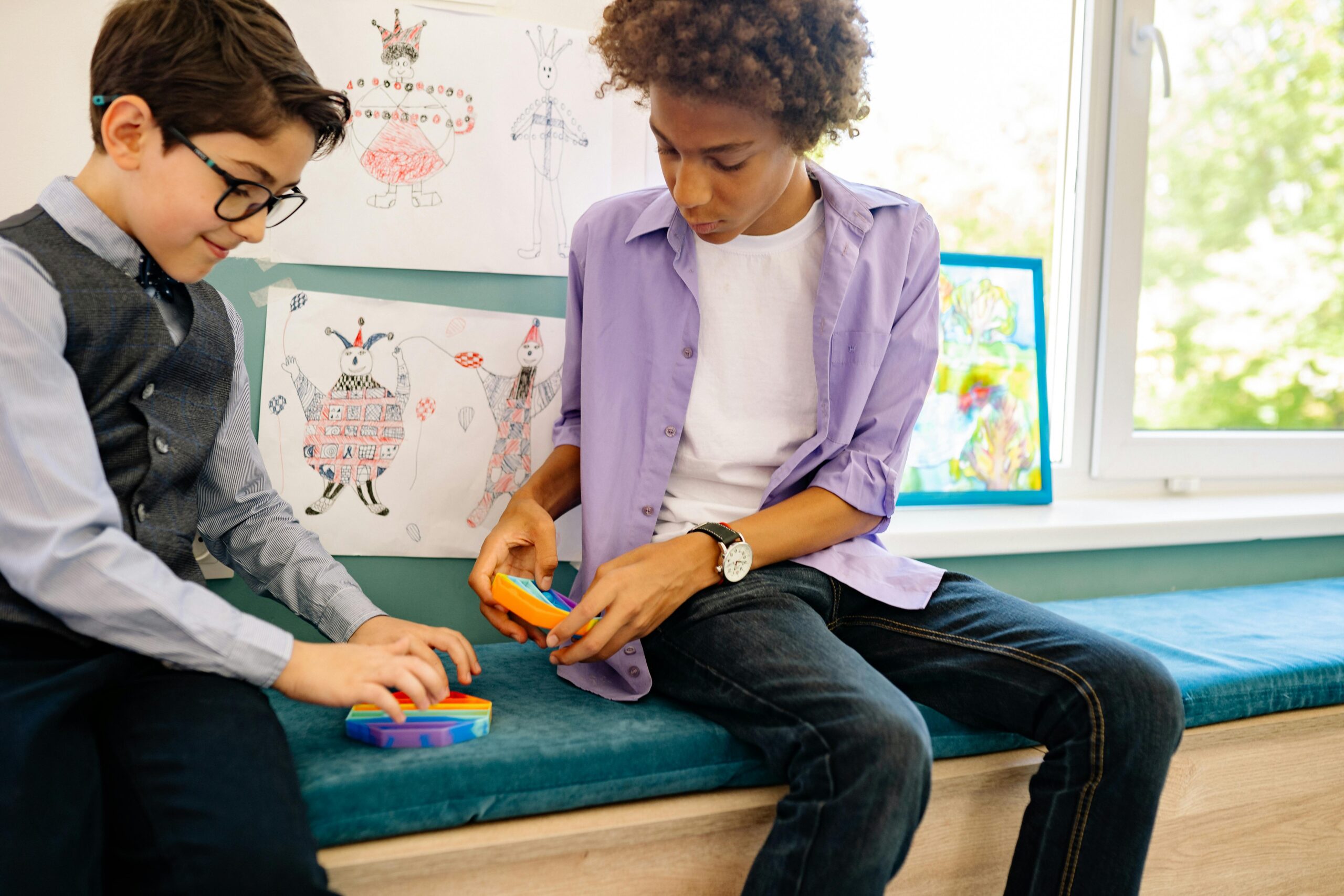
Fidget tools aren’t distractions—they’re focus enhancers for many learners who need tactile input to maintain attention during sedentary activities. Stock your classroom with various options including stress balls, putty, textured strips that adhere under desks, smooth stones, and resistance bands for chair legs.
Establish clear expectations about fidget tool use: they should be silent, non-distracting to others, and kept in personal spaces rather than thrown or shared. When introduced properly, fidget tools reduce disruptive behaviors and improve concentration for tactile seekers.
Temperature and Comfort
Classroom temperature significantly impacts comfort and concentration, yet it’s often overlooked. While you may not control the thermostat, you can provide solutions. Allow students to keep personal sweaters or jackets accessible even during warmer months, and have a classroom fan available for students who overheat easily.
Consider the tactile experience of classroom materials. Offer pencil grips in various textures, provide paper options with different finishes, and ensure scissors and other tools have comfortable grips that don’t cause hand fatigue or discomfort.
👃 Addressing Olfactory Sensitivities
Scent is the sense most directly connected to memory and emotion, yet it’s frequently neglected in classroom design. Strong smells—whether from cleaning products, scented markers, hand sanitizers, or personal care products—can trigger headaches, nausea, or anxiety in sensitive students.
Adopt fragrance-free policies for classroom products whenever possible. Choose unscented cleaning supplies, markers, hand sanitizers, and lotions. Communicate with families about avoiding strong perfumes or colognes before school.
Ensure proper ventilation by opening windows when weather permits or using air purifiers with HEPA filters to reduce airborne particles and odors. Position trash cans near ventilation sources and empty them frequently to prevent lingering smells.
If using scent intentionally for calming or alerting purposes, do so sparingly and with attention to student reactions. Essential oils affect people differently—what’s calming to one person might trigger a migraine in another.
⏰ Establishing Predictable Routines and Transitions
Sensory-friendly environments extend beyond physical modifications to include temporal and structural elements. Predictability reduces anxiety and helps students regulate their sensory systems throughout the day.
Visual Schedules for All Ages
Visual schedules aren’t just for young children or students with identified needs—they benefit everyone. Display the daily schedule prominently with both words and images or icons. Include approximate time frames and prepare students for variations from routine well in advance.
For older students, provide weekly overviews so they can anticipate upcoming tests, projects, or schedule changes. Predictability allows students to mentally prepare for transitions and activities, reducing the anxiety that often manifests as sensory overwhelm.
Transition Warnings and Strategies
Abrupt transitions are jarring for sensory-sensitive students. Provide multiple warnings before transitions: “We’ll clean up in five minutes,” followed by three-minute and one-minute reminders. Use timers with visual countdowns so students can see time passing.
Build transition time into your schedule rather than rushing students from one activity to another. A two-minute stretch break between lessons allows students to reset their sensory systems. Simple movements like reaching overhead, gentle twists, or wall pushes provide proprioceptive input that helps with regulation.
🧘 Incorporating Sensory Breaks and Movement
Extended periods of sitting and focusing deplete everyone’s regulatory resources. Proactive sensory breaks prevent dysregulation rather than reacting to behaviors after students become overwhelmed.
Scheduled Movement Opportunities
Integrate brief movement breaks every 20-30 minutes, especially for younger students. These don’t need to be elaborate—simple activities like stretching, desk yoga, dance breaks, or quick exercise routines provide the sensory input students need to refocus.
Consider implementing a “brain break” app or video series that guides students through short activities. These structured breaks legitimize movement and make it a normal part of the learning process rather than a reward or consequence.
Heavy Work and Proprioceptive Activities
Proprioceptive input—information from muscles and joints about body position—is organizing and calming for most people. Create classroom jobs that incorporate heavy work: moving chairs, carrying books, erasing whiteboards with firm pressure, or delivering messages to other classrooms.
Install a pull-up bar in the doorway or designate wall space for wall pushes. Keep hand weights or resistance bands available for students who need proprioceptive input during seat work. These activities help regulate sensory systems and improve focus when students return to academic tasks.
🤝 Teaching Self-Advocacy and Sensory Awareness
The ultimate goal of sensory-friendly classrooms is helping students understand their own sensory needs and develop self-advocacy skills they’ll use throughout life.
Sensory Check-Ins
Teach students to recognize their sensory states through regular check-ins using tools like zones of regulation or sensory scales. When students can identify “I’m feeling overwhelmed by noise right now,” they can implement appropriate strategies before reaching crisis points.
Create individualized sensory menus—lists of strategies that work for specific students when they’re under-stimulated, over-stimulated, or seeking sensory input. Review these menus regularly and update them as students discover new effective strategies.
Normalizing Sensory Differences
Discuss sensory processing openly with your class, emphasizing that everyone has different sensory preferences and needs. Read books featuring characters with sensory differences, invite speakers to discuss sensory processing, and model using sensory strategies yourself.
When sensory accommodations are normalized rather than stigmatized, students feel comfortable accessing supports without embarrassment. This builds a classroom culture of acceptance where differences are recognized as natural variations rather than deficits.
🌟 Creating Individual Sensory Toolkits
While classroom-wide modifications benefit everyone, individual students may need personalized sensory supports. Collaborate with students, families, and support specialists to create individual sensory toolkits.
These portable kits might include noise-canceling headphones, fidget tools, chewy jewelry, stress balls, hand lotion, mints or gum (if allowed), a personal fan, sunglasses for light sensitivity, or a weighted lap pad. Store these in accessible locations where students can retrieve them independently.
Teach students when and how to use their toolkit items appropriately. Clear expectations prevent misuse while ensuring students have immediate access to supports when sensory challenges arise.
📊 Monitoring and Adjusting Your Sensory Environment
Creating a sensory-friendly classroom isn’t a one-time project—it requires ongoing observation, assessment, and adjustment based on student responses and needs.
Conduct regular sensory audits of your classroom. Spend time in different areas noticing sounds, lighting, visual input, and comfort factors. Ask students for feedback through surveys or discussions about what helps them focus and what creates challenges.
Track behavioral data to identify patterns. Do more students struggle after lunch in a brightly lit classroom? Does transition time after recess consistently result in dysregulation? These patterns reveal sensory factors that need addressing.
Stay flexible and willing to experiment. A strategy that works beautifully in one classroom may need modification in another based on the specific students, physical space, and daily schedule. Continuous improvement based on observation and feedback creates increasingly effective learning environments.
💡 Partnering with Families and Specialists
Successful sensory-friendly classrooms extend beyond school walls through collaboration with families and specialists who know students deeply.
Communicate regularly with families about sensory strategies working at school and ask about home routines that might be adapted for classroom use. Parents often identify triggers or successful accommodations through years of experience that can inform classroom approaches.
Consult with occupational therapists, special education specialists, and school psychologists when students demonstrate significant sensory challenges. These professionals can conduct formal sensory profiles, recommend specific modifications, and provide training on implementing sensory strategies effectively.
Building this collaborative network ensures consistency across environments and provides students with comprehensive support for their sensory needs.
🎯 The Broader Impact of Sensory-Friendly Practices
When educators implement sensory-friendly modifications, the benefits extend far beyond students with identified sensory processing challenges. Calm, organized, predictable environments with appropriate stimulation levels enhance learning for everyone.
Students experience reduced anxiety, improved concentration, better behavioral regulation, and increased academic engagement. Teachers report fewer disruptions, more positive classroom climates, and greater satisfaction with their teaching experience.
These modifications prepare students for lifelong success by teaching self-awareness, self-advocacy, and self-regulation skills applicable in future educational settings, workplaces, and personal relationships. Students learn that environments can be adapted to meet needs and that asking for accommodations is appropriate and empowering.
Creating sensory-friendly classrooms represents a fundamental shift from expecting all students to adapt to a single environmental standard toward recognizing that flexible, responsive learning spaces serve diverse learners more effectively. This inclusive approach benefits not just some students, but every student who enters your classroom, making it a worthwhile investment of time, resources, and creative energy.
By understanding sensory processing, implementing thoughtful environmental modifications, teaching self-regulation skills, and fostering collaborative partnerships, educators create learning environments where all students can truly thrive. These calm, focused spaces honor neurological diversity while providing the structure and support necessary for academic and personal growth.