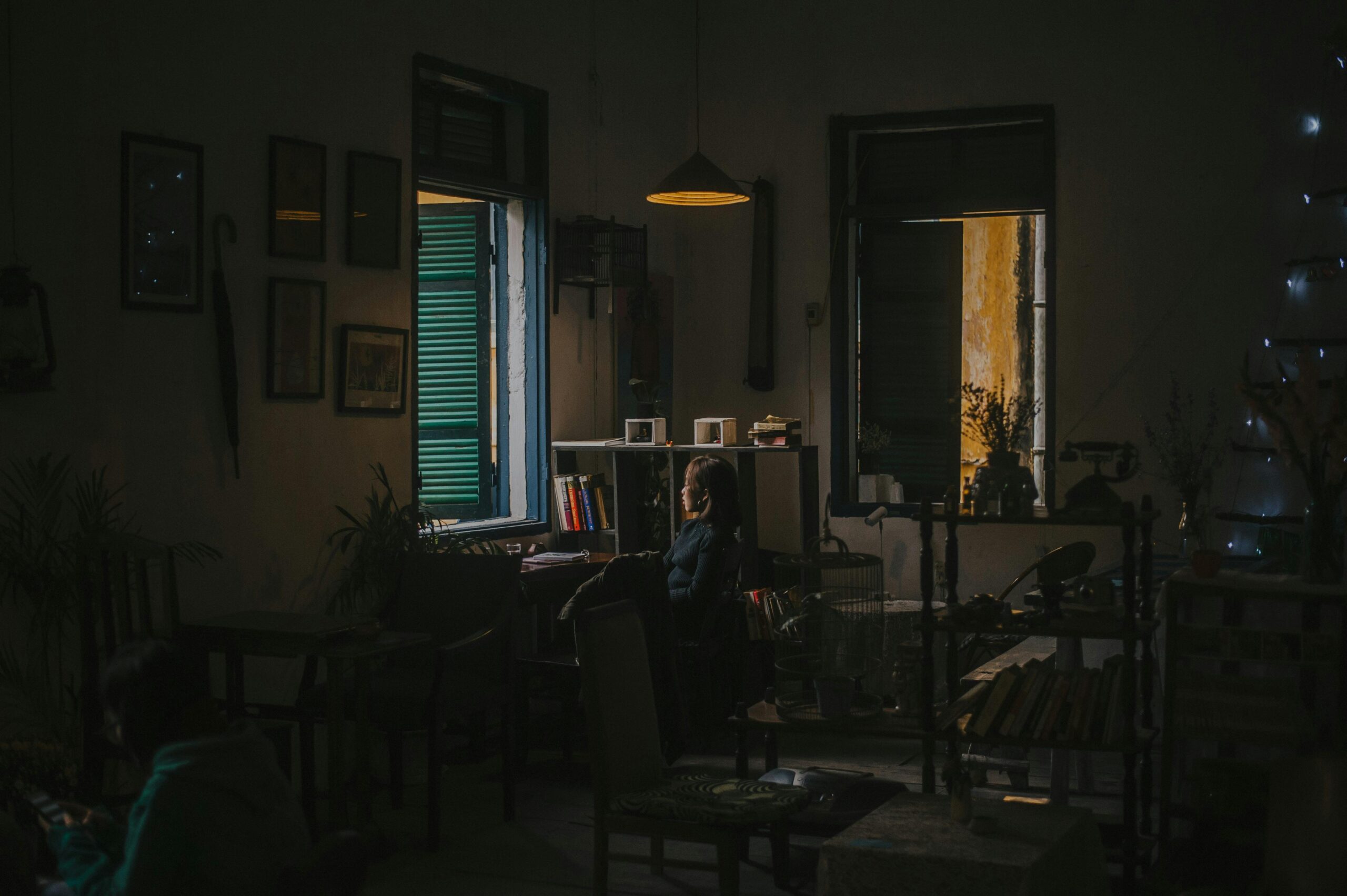
Outings can be overwhelming for individuals with sensory sensitivities, but with thoughtful planning and preparation, every adventure can become a calm, enjoyable experience for the whole family.

Whether you’re navigating a trip to the grocery store, visiting a theme park, or simply taking a walk in the neighborhood, creating sensory-safe routines transforms potentially stressful situations into positive memories. Understanding how to anticipate challenges, prepare appropriate tools, and respond with flexibility makes all the difference in ensuring that everyone can participate fully and comfortably in daily adventures.
Understanding Sensory Sensitivities and Their Impact on Outings 🧠
Sensory processing differences affect how individuals perceive and respond to stimuli in their environment. For people with autism, ADHD, anxiety disorders, or sensory processing disorder, ordinary outings can become overwhelming experiences filled with unpredictable sounds, lights, textures, and crowds.
The nervous system of someone with sensory sensitivities may interpret routine environmental input as threatening or uncomfortable. A flickering fluorescent light that most people barely notice might feel physically painful. Background music in a restaurant could make conversation impossible. The smell of perfume in a store might trigger nausea or headaches.
Recognizing these challenges isn’t about limiting experiences but rather about creating strategies that make participation possible. When we design sensory-safe routines, we’re building bridges to inclusion rather than barriers to exploration.
Pre-Outing Preparation: Setting Everyone Up for Success ✨
The foundation of any calm adventure begins long before you leave home. Preparation reduces anxiety, establishes expectations, and provides everyone with the tools they need to handle unexpected situations.
Creating Visual Schedules and Social Stories
Visual supports help individuals understand what to expect during an outing. A simple visual schedule with pictures or words outlining each step of the adventure provides predictability and reduces anxiety about the unknown.
Social stories take this further by describing not just what will happen, but also how people might feel and what coping strategies are available. For example, a social story about visiting the dentist might include: “The dentist’s office may be bright and smell like mint. If I feel nervous, I can squeeze my stress ball and take deep breaths.”
Assembling a Sensory Toolkit
A well-stocked sensory toolkit is essential for managing overwhelming moments. Your toolkit should be personalized based on individual needs, but common items include:
- Noise-canceling headphones or earplugs to reduce auditory overload
- Sunglasses or a hat with a brim to minimize visual stimulation
- Fidget toys or sensory objects for self-regulation
- A favorite comfort item like a small stuffed animal or blanket
- Chewing gum or chewy jewelry for oral sensory input
- A written or visual “break” card to communicate needs
- Calming essential oils like lavender (if tolerated)
- Snacks and water to prevent hunger-related meltdowns
Timing Your Adventures Strategically
When you go can be just as important as where you go. Consider visiting popular destinations during off-peak hours when crowds are smaller and sensory input is reduced. Early morning grocery shopping, matinee movies, or weekday museum visits often provide calmer environments.
Also consider the individual’s energy levels throughout the day. Some people function best in the morning when they’re fresh, while others need time to gradually wake up and prepare mentally for outings.
Location Selection: Choosing Sensory-Friendly Destinations 🎯
Not all locations are created equal when it comes to sensory accessibility. Researching destinations in advance helps you make informed choices about where to spend your time and energy.
Identifying Sensory-Friendly Venues
Many businesses and organizations now offer sensory-friendly events or accommodations. Museums, theaters, shopping centers, and entertainment venues increasingly provide quiet rooms, dimmed lighting options, or designated sensory-friendly hours.
Before visiting a new location, call ahead or check their website for information about accommodations. Ask specific questions: Is there a quiet space available if someone becomes overwhelmed? Can you adjust lighting or sound levels? Are service animals welcome? Is there flexibility with wait times?
Scouting Locations Virtually
Technology makes it possible to preview destinations before arriving. Use Google Maps Street View to show what the building looks like from outside. Watch videos of the location on YouTube to demonstrate the interior environment, typical crowd levels, and ambient noise.
This virtual preparation significantly reduces anxiety about the unknown and allows individuals to mentally prepare for what they’ll encounter.
During the Outing: Implementation Strategies That Work 💪
Even with excellent preparation, outings require ongoing attention and flexibility. Having strategies ready for various situations helps you respond calmly and effectively to challenges as they arise.
Establishing Check-In Routines
Regular emotional check-ins prevent small discomforts from escalating into major meltdowns. Use a simple rating scale (1-5 or color-coded emotions) to help individuals communicate their comfort level without needing extensive verbal explanation.
Ask “How are you feeling right now?” at natural transition points—when entering a new space, after waiting in line, before ordering food. This practice validates feelings and provides opportunities for proactive intervention.
Creating Sensory Breaks and Escape Routes
Always identify quiet spaces before you need them. When entering any venue, locate bathrooms, outdoor areas, or empty hallways that can serve as temporary retreat spaces if sensory overload occurs.
Schedule intentional breaks even if everything seems fine. Brief periods of reduced stimulation prevent cumulative overwhelm. A five-minute break sitting in the car, stepping outside, or finding a quiet corner can reset the nervous system and extend the outing’s success.
Using Communication Supports
Not everyone can verbally communicate their needs, especially during stressful moments. Communication cards with phrases like “I need a break,” “Too loud,” or “I’m okay, just processing” empower individuals to express themselves without speaking.
For families, establishing discrete signals (a hand gesture, a specific word, or showing a certain card) creates a private communication system that doesn’t draw unwanted attention.
Managing Specific Challenging Environments 🏪
Different locations present unique sensory challenges. Having targeted strategies for common destinations increases your likelihood of success.
Grocery Stores and Shopping Centers
Grocery stores assault the senses with bright fluorescent lighting, competing sounds from music and announcements, strong smells, and unpredictable crowds. Combat these challenges by shopping during quiet hours, using online ordering with pickup, wearing sunglasses indoors, and keeping trips focused with specific lists.
Give individuals a job during shopping trips—pushing the cart, finding specific items, or checking things off the list. Having a purpose provides focus and reduces time spent passively enduring the environment.
Restaurants and Food Venues
Dining out combines sensory challenges with social expectations and food-related anxieties. Choose restaurants with familiar menus, quieter atmosphics, and flexible seating (booths often feel safer than open tables). Call ahead to discuss your needs or visit during off-peak times.
Bring comfort foods or familiar items if menu options are limited. Many restaurants accommodate special requests when you explain the situation. Use wait time productively with quiet activities like coloring, reading, or simple games rather than expecting individuals to sit idly.
Medical Appointments
Healthcare settings often involve waiting, unpredictable schedules, uncomfortable procedures, and clinical environments. Request the first appointment of the day to minimize wait time. Bring the sensory toolkit and preferred distractions. Communicate sensory needs to healthcare providers before appointments.
Some medical practices offer sensory-friendly accommodations like dimmed lights, weighted blankets, or flexible appointment structures. Social stories specific to medical visits prepare individuals for what to expect, including potential discomforts and their duration.
Building Stamina Through Gradual Exposure 📈
Sensory tolerance can improve over time through careful, gradual exposure to challenging environments. The key is building positive experiences incrementally without pushing beyond individual limits.
The Principle of Successive Approximation
Start with the easiest version of an activity and gradually increase difficulty as confidence builds. For example, if the goal is tolerating a movie theater, begin by watching movies at home, then visit an empty theater during off-hours, progress to a matinee with few attendees, and eventually work toward evening showings.
Celebrate each successful step rather than focusing on the ultimate goal. Small victories build confidence and create positive associations with previously challenging activities.
Documenting Progress and Patterns
Keep a simple outing journal noting what worked, what didn’t, and any emerging patterns. You might discover that certain times of day are consistently better, specific preparation strategies are particularly effective, or certain types of stimuli are more challenging than others.
This documentation becomes invaluable for planning future outings and communicating needs to others who might accompany your family on adventures.
Involving the Individual in Planning and Decision-Making 🗣️
Whenever possible, include the person with sensory sensitivities in planning their own accommodations. This builds self-awareness, develops self-advocacy skills, and ensures that strategies actually address their specific needs rather than what we assume they need.
Teaching Self-Advocacy Skills
Help individuals learn to identify their own sensory preferences and triggers. Use concrete language: “I notice you cover your ears when we’re in the store. Does the sound bother you?” This builds vocabulary for discussing sensory experiences.
Practice requesting accommodations in low-stakes situations before applying these skills in more challenging environments. Role-play asking for a quieter table at a restaurant or explaining why headphones are needed in certain spaces.
Offering Meaningful Choices
Provide choices throughout the planning process: “Would you prefer we go to the park or the library this afternoon?” or “Should we bring your noise-canceling headphones or earplugs?” These decisions foster ownership of the experience and increase motivation to use coping strategies.
Supporting the Entire Family Unit 👨👩👧👦
When one family member has sensory sensitivities, outings affect everyone. Creating calm adventures means considering the needs of all family members while maintaining appropriate accommodations.
Balancing Multiple Needs
Siblings and other family members also deserve enjoyable outings. Find creative solutions that honor everyone’s needs—perhaps splitting up for portions of an outing, alternating between preferred activities, or choosing destinations that offer varied experiences within one location.
Communicate openly with all family members about why certain accommodations are necessary. When siblings understand sensory sensitivities rather than viewing them as favoritism, resentment decreases and family unity strengthens.
Managing Your Own Stress
Caregivers experience significant stress when managing sensory challenges during outings. Your calm presence directly influences how individuals with sensory sensitivities regulate their own emotions. Prioritize your own sensory needs—if you’re overwhelmed, you cannot effectively support others.
Build your own toolkit of stress management strategies. Practice deep breathing, use positive self-talk, and recognize when you need support. There’s no shame in cutting an outing short when it’s not working—leaving before a complete meltdown is actually a success, not a failure.
Celebrating Success and Learning from Challenges 🎉
Every outing provides valuable information, regardless of outcome. Reframe “difficult” experiences as learning opportunities that inform better planning for future adventures.
Defining Success Realistically
Success doesn’t always mean completing every planned activity perfectly. Sometimes success looks like using a coping strategy effectively, communicating a need clearly, or leaving an overwhelming situation before escalation occurs.
Celebrate these victories explicitly: “I noticed you put on your headphones when the store got noisy—that was great self-care!” or “You told me you needed a break before getting too overwhelmed. That’s excellent self-awareness!”
Debriefing After Outings
Take time to reflect on outings together. Discuss what felt good, what was challenging, and what strategies helped. This conversation validates experiences, builds emotional vocabulary, and creates opportunities for collaborative problem-solving.
For non-verbal individuals or those who struggle with reflection, use pictures from the outing or a visual scale to facilitate conversation about the experience.
Creating Long-Term Sensory-Safe Habits 🌟
The ultimate goal is building sustainable routines that make outings consistently manageable rather than requiring extraordinary effort each time. As strategies become habitual, they require less conscious effort and produce more reliable results.
Start integrating sensory considerations into everyday routines, not just special outings. When sensory awareness becomes a natural part of planning any activity—from running errands to attending family gatherings—you’ll find that stress decreases and participation increases.
Remember that sensory needs change over time. Regularly reassess what’s working, what needs adjustment, and what new strategies might be helpful as individuals grow and their sensory profiles evolve.
Creating calm adventures through sensory-safe routines isn’t about eliminating all challenges or discomfort. It’s about providing tools, strategies, and support that transform outings from overwhelming ordeals into manageable experiences where everyone can participate, learn, and create positive memories together. With patience, preparation, and persistence, you’ll discover that the world becomes increasingly accessible when you honor sensory differences and plan accordingly.