
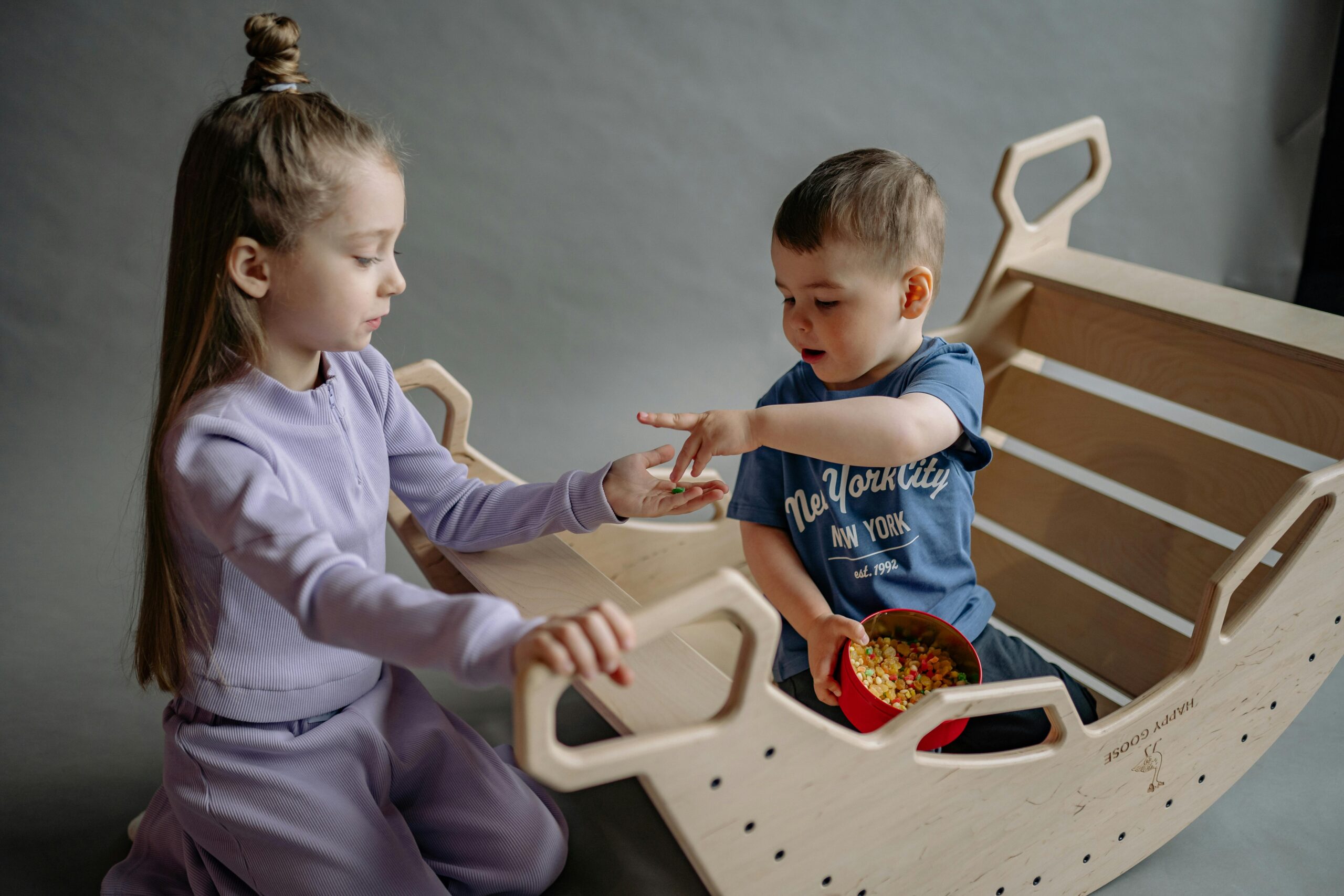
Teaching children and adults alike to share and take turns is one of the most valuable life skills that promotes harmony, empathy, and meaningful relationships. These fundamental social behaviors form the foundation of cooperative living and emotional intelligence.

Whether you’re a parent navigating toddler tantrums over toys, a teacher managing classroom dynamics, or simply someone wanting to improve social interactions, mastering the art of sharing and turn-taking opens doors to deeper connections. These skills transcend age boundaries and cultural differences, serving as universal building blocks for successful communication and collaboration in every aspect of life.
🌟 Understanding Why Sharing and Turn-Taking Matter
Sharing and turn-taking represent more than just polite behaviors—they’re essential components of social-emotional development. When individuals learn to share resources and wait for their turn, they develop patience, self-regulation, and the ability to consider others’ perspectives. These skills directly impact academic performance, workplace success, and personal relationships throughout life.
Research consistently demonstrates that children who master these cooperative behaviors early show better conflict resolution skills and stronger friendships. They exhibit higher levels of empathy and emotional intelligence, which translates to improved mental health outcomes and greater life satisfaction as they mature.
The Psychological Foundation of Cooperative Behavior
From a developmental psychology perspective, sharing and turn-taking require several cognitive abilities working in concert. Children must understand object permanence—that toys still exist even when someone else is playing with them. They need impulse control to resist immediate gratification, and theory of mind to recognize that others have desires and feelings just as valid as their own.
These capacities don’t emerge overnight. The prefrontal cortex, responsible for executive functions like self-control and planning, continues developing well into early adulthood. This explains why even teenagers and adults sometimes struggle with sharing and patience during stressful situations.
🎯 Age-Appropriate Strategies for Different Developmental Stages
Effective teaching methods vary significantly depending on the learner’s age and cognitive development. What works beautifully for a three-year-old may feel patronizing to a teenager, while strategies suited for older children will confuse toddlers.
Toddlers and Preschoolers (Ages 2-5)
Young children are naturally egocentric, viewing the world primarily through their own needs and desires. This isn’t selfishness—it’s normal development. Expecting perfect sharing from this age group sets everyone up for frustration.
Start with parallel play opportunities where children play alongside each other with similar but separate toys. This reduces conflict while modeling social proximity. Gradually introduce shared resources in controlled environments where you can facilitate positive interactions.
Use timers to make turn-taking concrete and fair. Visual timers that show time elapsing help young children understand when their turn will end and begin. Celebrate successful sharing with specific praise: “You let Emma use the red crayon—that was very kind!” This reinforces the positive behavior more effectively than generic approval.
Elementary School Children (Ages 6-11)
School-age children have greater cognitive capacity for understanding fairness, reciprocity, and social norms. They benefit from discussions about why sharing matters and how it affects friendships. Role-playing scenarios allow them to practice these skills in low-stakes situations.
Implement collaborative projects that require cooperation to succeed. Group art projects, team sports, and cooperative games teach that working together produces better outcomes than competing for limited resources. Board games with turn-taking mechanics naturally reinforce patience and rule-following.
Introduce the concept of delayed gratification with concrete examples. Explain how waiting for a turn now might mean a longer turn later, or how sharing today builds goodwill that benefits everyone tomorrow. These cause-and-effect relationships make sense to concrete operational thinkers.
Teenagers and Adults
Older individuals face sharing challenges in different contexts—sharing attention in conversations, taking turns speaking in meetings, or dividing household responsibilities. The underlying principles remain the same, but the application becomes more nuanced.
Focus on communication skills and negotiation strategies. Teach active listening techniques where each person fully hears another before responding. Establish fair systems for shared resources like vehicles, technology, or common spaces that give everyone equitable access.
Address the social and emotional barriers that prevent cooperation—pride, fear of appearing weak, or past experiences with unfair treatment. Sometimes resistance to sharing stems from deeper issues requiring empathy and understanding rather than simple behavioral correction.
💡 Practical Techniques That Transform Behavior
Theory matters, but practical application determines success. These concrete strategies have proven effective across diverse settings and populations, from homes and classrooms to workplaces and community organizations.
The “First-Then” Framework
This simple structure helps manage expectations and reduce anxiety about sharing. State clearly: “First, Sarah will use the tablet for ten minutes, then it will be your turn.” The predictability reduces resistance and teaches that sharing doesn’t mean losing access permanently.
Visual schedules enhance this approach for younger children or those with developmental differences. Pictures showing the sequence of turns make abstract concepts tangible and reduce misunderstandings.
Creating Abundance Mindsets
People resist sharing when they fear scarcity. Demonstrate that cooperation actually creates abundance rather than deprivation. When children share toys, they gain access to friends’ toys too. When colleagues share credit, the team’s success creates more opportunities for everyone.
Provide multiple options whenever possible. Instead of one coveted toy, offer several appealing choices. This reduces competition and allows practice sharing without the highest-stakes conflicts.
Modeling Through Your Own Actions
Children and adults learn more from what they observe than what they’re told. Demonstrate sharing in your own life—let others speak without interruption, share your snacks, take turns choosing activities. Narrate your thinking: “I really wanted this last cookie, but I’m going to share it with you because sharing makes us both happy.”
Acknowledge when sharing feels difficult for you. This authenticity teaches that cooperation sometimes requires effort but remains worthwhile. Hiding the emotional work involved sends the message that sharing should always feel easy, setting unrealistic expectations.
🛠️ Addressing Common Challenges and Resistance
Even with the best strategies, obstacles arise. Understanding common challenges helps you respond effectively rather than becoming discouraged.
When Fairness Becomes an Obsession
Many children (and adults) develop rigid ideas about fairness, insisting everything must be exactly equal. While understandable, this mindset can hinder genuine cooperation, which often involves flexibility and compromise.
Distinguish between equal and equitable. Equal means everyone gets the same; equitable means everyone gets what they need. Sometimes younger siblings need more help, new team members need more training, or tired family members need more rest. These variations don’t represent unfairness but appropriate responsiveness to different circumstances.
Use real-world examples to illustrate equity. A person who’s hungry needs food; someone who just ate doesn’t require the same resources at that moment. This differentiation becomes clearer with concrete scenarios that demonstrate fairness as meeting needs rather than rigid uniformity.
Dealing with Possessiveness
Strong attachments to specific objects are normal, especially for young children or individuals with sensory preferences. Forcing sharing in these situations can damage trust and increase anxiety.
Respect special items while maintaining boundaries. Designate certain treasured possessions as non-shareable while requiring cooperation with common items. This teaches that sharing has reasonable limits and that personal boundaries deserve respect—an important lesson for all relationships.
Navigating Cultural Differences
Cultures vary significantly in their approaches to sharing and individual property. Some emphasize communal ownership and group harmony, while others prioritize individual rights and personal boundaries. Neither approach is inherently superior, but conflicting expectations can create misunderstandings.
Discuss these differences openly when they arise in diverse settings. Teach children that families and communities have different rules, and adapting to context demonstrates social intelligence, not hypocrisy. This flexibility becomes increasingly important in our globalized world.
🌈 Building Empathy as the Foundation
All the strategies and techniques in the world won’t create lasting change without empathy—the ability to understand and share the feelings of others. Empathy transforms sharing from a reluctant obligation into a genuine desire to contribute to others’ wellbeing.
Perspective-Taking Exercises
Help individuals imagine how situations feel from different viewpoints. Ask questions like: “How do you think Jamie felt when everyone else had a turn but she didn’t?” or “What might be happening for Marcus that makes sharing difficult today?”
Stories and literature provide safe spaces to explore others’ experiences. Discuss characters’ feelings and motivations, connecting fictional scenarios to real-life situations. This indirect approach often feels less threatening than direct criticism of behavior.
Acknowledging Feelings While Setting Boundaries
Validation and limits work together powerfully. “I see you’re really upset about sharing the swing. It’s hard to wait when you’re having fun. It’s still Aiden’s turn for three more minutes, and then it will be yours.” This approach recognizes emotions without permitting harmful behavior.
Teach the language of emotions to give individuals tools for expression. When people can say “I feel frustrated” or “I’m worried there won’t be enough,” they’re less likely to act out those feelings through grabbing, hoarding, or refusing to cooperate.
🎲 Games and Activities That Build Skills Naturally
Structured play offers low-pressure opportunities to practice sharing and turn-taking while having fun. These experiences create positive associations with cooperative behavior.
- Cooperative board games: Games like Hoot Owl Hoot or Forbidden Island require players to work together toward common goals rather than competing against each other.
- Pass-the-parcel: This classic party game inherently involves taking turns and accepting that resources circulate among group members.
- Building projects: Constructing something together with shared blocks, art supplies, or craft materials necessitates negotiation and resource distribution.
- Musical performances: Playing music in a group requires careful attention to timing, taking solo and accompaniment roles, and blending individual contributions into harmonious wholes.
- Cooking together: Preparing meals involves sharing tools, ingredients, and tasks while working toward a delicious outcome everyone enjoys.
📱 Technology and Digital Resource Sharing
Modern families and workplaces face unique challenges around digital devices and screen time. Tablets, gaming consoles, and computers present particular difficulties because they’re highly engaging and often support only one user at a time.
Establish clear guidelines before conflicts arise. Create schedules showing when each person has access to devices, using the same timer strategies effective with physical toys. Consider apps and features that support multiple users or parental controls that enforce time limits automatically.
Many educational apps specifically designed for children include features promoting cooperative play and turn-taking. Interactive story apps, creative drawing programs, and collaborative puzzle games can facilitate positive digital sharing experiences.
🏫 Creating Sharing-Friendly Environments
Physical and social environments significantly impact how easily cooperation occurs. Thoughtful setup prevents many conflicts before they begin.
Space and Resource Design
Arrange environments to encourage interaction without forcing constant contact. Provide enough materials that children can play near each other without immediate competition, gradually reducing quantities as sharing skills develop.
Designate clear areas for shared items versus personal belongings. Labeled bins, shelves, or spaces help everyone understand what’s communal and what’s private, reducing confusion and conflict.
Social Structures That Support Cooperation
Establish routines and rituals around sharing. Regular family meetings where everyone takes turns speaking, classroom circle times with talking sticks, or workplace round-robin updates all normalize turn-taking as standard practice.
Create opportunities for older or more skilled individuals to mentor younger or less experienced ones. This buddy system benefits both parties—mentors strengthen their own skills through teaching, while mentees receive patient guidance from someone recently in their position.
🎯 Measuring Progress and Celebrating Growth
Behavior change takes time, and recognizing incremental improvements maintains motivation. Track progress using specific observations rather than vague judgments.
Notice and name successful moments: “You noticed your brother wanted a turn and offered it to him without me asking—that shows real thoughtfulness!” Specific praise teaches exactly which behaviors to repeat.
Create visual progress systems for younger children—sticker charts, marble jars, or achievement boards that represent their growing skills. These tangible markers make abstract concepts like “getting better at sharing” feel concrete and achievable.
For older individuals, reflective conversations about their own growth build metacognitive awareness. Ask questions like: “How do you think your sharing skills have changed this year?” or “What strategies work best when you’re finding it hard to take turns?”
🌍 The Ripple Effect of Cooperation Skills
Mastering sharing and turn-taking creates benefits that extend far beyond immediate situations. These foundational skills influence relationship quality, professional success, and community engagement throughout life.
Strong cooperation skills predict better romantic relationships in adulthood. Partners who share household responsibilities equitably, take turns making decisions, and distribute emotional labor fairly report higher satisfaction and longer-lasting relationships. The habits established in childhood sandbox negotiations translate directly to grown-up partnership dynamics.
Workplace collaboration depends entirely on these same competencies. Successful teams share credit, resources, and responsibilities. They take turns leading and supporting, speaking and listening. Organizations that foster cultures of cooperation and equitable participation consistently outperform those characterized by competition and hoarding of resources or information.
On broader scales, societies function through collective cooperation—sharing public spaces, taking turns using common resources, and contributing to communal wellbeing. Teaching these skills to the next generation strengthens the social fabric and promotes sustainable, harmonious communities.
🚀 Starting Your Journey Toward Better Cooperation
Beginning to implement these strategies might feel overwhelming, but remember that small, consistent steps create lasting change. Choose one or two techniques that resonate with your situation and practice them regularly before adding more.
Be patient with yourself and those you’re teaching. Everyone has difficult days when sharing feels impossible, impulses overwhelm good intentions, and cooperation seems beyond reach. These setbacks don’t erase progress—they’re normal parts of the learning process.
Connect with others on similar journeys. Parent groups, teacher professional development communities, and workplace culture initiatives provide support, accountability, and fresh perspectives. Sharing the challenges of teaching sharing creates its own beautiful irony and valuable learning opportunities.
Most importantly, approach this work with compassion and curiosity rather than judgment. When cooperation breaks down, ask “what’s happening here?” instead of “what’s wrong with you?” This mindset shift opens space for understanding root causes and addressing them effectively.
The art of sharing and turn-taking represents one of humanity’s most essential skills—the foundation of every functional relationship, community, and society. By investing time and intention into developing these capacities, you contribute not just to individual wellbeing but to the collective flourishing of everyone around you. These simple strategies, practiced consistently with patience and empathy, transform isolated individuals into connected, cooperative communities where everyone can thrive. The journey of mastering cooperation is itself a shared endeavor, best undertaken together with understanding, support, and celebration of each small step forward.