
Every child deserves to feel confident and connected, but for shy kids, starting conversations can feel like climbing a mountain. The good news is that with the right tools and encouragement, any child can learn to break the ice and build meaningful friendships.

Shyness isn’t a flaw—it’s simply a personality trait that many children navigate as they grow. Understanding how to support shy kids with practical conversation starters can transform their social experiences, helping them discover their voice and shine in their own unique way.
Understanding Shyness in Children 🌱
Before diving into conversation strategies, it’s essential to recognize what shyness actually means for children. Shy kids aren’t necessarily introverted or unsociable—they often want to connect with others but feel anxious about initiating interactions or being judged.
Research shows that approximately 40-50% of children identify as shy at some point during their development. This natural temperament can stem from various factors including genetics, environmental influences, and previous social experiences. The key is not to eliminate shyness entirely but to equip children with tools that help them navigate social situations comfortably.
Parents and educators should remember that pushing too hard can backfire. Instead, gentle encouragement paired with practical strategies creates a safe space for shy children to gradually expand their comfort zones at their own pace.
Why Conversation Starters Matter for Social Development
Conversation starters serve as social scaffolding—they provide structure when uncertainty feels overwhelming. For shy kids, having a mental toolkit of opening lines removes the paralysis that often accompanies the question “What do I say?”
These simple phrases act as bridges between isolation and connection. They transform abstract social expectations into concrete, manageable actions. When children know exactly what words to use, their cognitive energy shifts from anxiety to genuine engagement.
Additionally, successful early interactions build positive feedback loops. Each small victory—a returned smile, a shared laugh, a new friendship—reinforces the belief that social connection is rewarding rather than threatening. This foundation becomes invaluable throughout adolescence and adulthood.
Fun Conversation Starters That Actually Work ✨
The most effective conversation starters for shy kids share common characteristics: they’re simple, low-pressure, and genuinely interesting. Here are categories that consistently help children connect.
Interest-Based Openers
Starting with shared interests removes much of the social risk. When children talk about something they’re passionate about, their natural enthusiasm shines through, often overshadowing their shyness.
- “What’s your favorite game to play at recess?”
- “Have you seen [popular kids’ movie]? I loved the part where…”
- “I noticed your backpack has [character/theme]. Do you like that show?”
- “What kind of books do you like reading?”
- “Do you have any pets? I have a [pet type] named [name].”
These openers work because they invite the other person to share their preferences without putting them on the spot. There are no wrong answers, which reduces social anxiety for both parties.
Activity-Based Conversation Starters
Conversations that happen during shared activities feel more natural because the focus isn’t entirely on verbal exchange. The activity itself provides built-in topics and natural pauses.
- “Can I join you? This looks fun!”
- “Do you need another player for your game?”
- “I’m trying to figure out [puzzle/problem]. Do you have any ideas?”
- “Want to trade [trading cards/stickers/etc.]?”
- “Can you show me how to do that?”
These starters work exceptionally well because they transition quickly from words to action, giving shy children something concrete to do while relationships form organically.
Compliment-Based Openers 💬
Genuine compliments create instant positive connections. Teaching shy children to notice and acknowledge good things about others provides easy conversation entry points.
- “I really like your [shoes/drawing/project]. Where did you get it?”
- “You’re really good at [activity]. How did you learn to do that?”
- “That’s a cool idea! I hadn’t thought of that.”
- “Your presentation was really interesting.”
The key with compliments is authenticity. Help children identify things they genuinely appreciate rather than memorizing empty phrases. Real recognition always resonates more deeply.
Question-Based Starters
Open-ended questions invite conversation while showing genuine interest in the other person. They’re particularly effective because they shift attention away from the shy child and toward their conversation partner.
- “What do you usually do after school?”
- “If you could have any superpower, what would it be?”
- “What’s the best thing that happened to you today?”
- “If you could go anywhere in the world, where would you choose?”
- “What’s your favorite subject in school?”
These questions work because they’re fun to answer and allow the other child to share as much or as little as they’re comfortable with, creating a balanced exchange.
Creating a Conversation Starter Practice Routine 🎯
Knowledge without practice remains theoretical. Shy children benefit tremendously from low-stakes opportunities to rehearse conversation skills before real-world application.
Role-playing at home provides a safe environment for experimentation. Parents can act as different types of peers—the enthusiastic friend, the quiet kid, the busy classmate—helping children adapt their approaches to various personalities and responses.
Start with simple scenarios: approaching someone at the playground, joining a lunch table, or asking to join a game. Practice both the opening line and the follow-up responses. Discuss what happens if someone says no or seems uninterested, normalizing rejection as part of social life rather than personal failure.
Make practice fun rather than pressured. Use silly voices, exaggerate situations, and celebrate attempts rather than perfection. The goal is building comfort and confidence, not creating flawless social performers.
Building Confidence Through Small Social Wins
Confidence grows incrementally through accumulated positive experiences. Rather than expecting shy children to suddenly become social butterflies, focus on celebrating micro-achievements that gradually expand their comfort zones.
Set achievable goals together. This week, the goal might be making eye contact and smiling at three different people. Next week, perhaps adding a greeting. The following week, asking one question. These stair-step goals create momentum without overwhelming anxiety.
Document successes in a “Brave Moments Journal” where children record their social victories, no matter how small. Looking back at accumulated achievements provides tangible evidence of growth, which becomes especially valuable during discouraging moments.
Remember that setbacks are normal and informative rather than indicative of failure. When an interaction doesn’t go well, discuss what happened without judgment, extract any lessons, and remind the child that every socially confident person has experienced awkward moments.
Environmental Strategies That Support Shy Children 🏫
Beyond conversation starters themselves, the environment significantly impacts shy children’s ability to connect. Thoughtful adults can create conditions that facilitate easier social interactions.
Structured Social Opportunities
Completely unstructured social time can overwhelm shy kids. Activities with built-in structures—team sports, clubs, group projects—provide natural frameworks for interaction without the pressure of manufacturing conversation from nothing.
Small group settings generally work better than large crowds. Two or three children engaged in a shared activity creates ideal conditions for shy kids to practice conversation skills without sensory or social overload.
Preparation and Preview
When possible, prepare shy children for upcoming social situations. Knowing what to expect reduces anxiety significantly. Discuss who will be there, what activities might happen, and which conversation starters might fit the situation.
For recurring events like birthday parties or playdates, create a simple mental script: enter, greet the host, find one person to talk to, participate in one activity, and that’s success. Breaking events into manageable components makes them less daunting.
Digital Tools to Support Social Skills Development 📱
While face-to-face interaction remains irreplaceable, certain apps and digital resources can supplement social skills learning in engaging, pressure-free formats.
Interactive story apps that present social scenarios and allow children to choose responses can help them think through social situations at their own pace. These tools provide consequence-free environments for exploring different conversational approaches.
Video modeling apps where children watch peers successfully navigate social situations can be particularly helpful. Seeing someone their age handle introductions, join games, or start conversations provides concrete examples to emulate.
Some apps specifically designed for social-emotional learning include conversation practice modules with positive reinforcement systems that build confidence through repeated exposure and success.
The Parent’s Role: Coach, Not Commander 💙
How adults respond to shyness dramatically influences whether children perceive it as a problem to fix or a trait to work with. The most effective approach involves coaching rather than commanding—offering tools and encouragement while respecting the child’s pace.
Avoid labeling children as “shy” in their presence or to others, especially as an excuse for their behavior. This label can become a self-fulfilling identity that limits growth. Instead, acknowledge feelings: “Meeting new people can feel nervous” normalizes the experience without defining the child by it.
Model the conversation skills you want children to develop. When you greet neighbors, chat with store clerks, or compliment strangers, narrate what you’re doing: “I complimented her scarf because I genuinely thought it was pretty, and it made her smile. That felt nice.”
Respect your child’s temperament while gently encouraging growth. The goal isn’t transforming shy kids into extroverts but helping them develop skills that prevent shyness from limiting their opportunities for connection and joy.
When Shyness Signals Something Deeper
While shyness is typically a normal personality variation, it’s important to recognize when social anxiety might require professional support. If a child’s shyness significantly impairs their daily functioning, causes extreme distress, or worsens despite supportive interventions, consulting a pediatrician or child psychologist is appropriate.
Signs that shyness might be crossing into problematic territory include physical symptoms like frequent stomachaches before social events, complete avoidance of age-appropriate activities, inability to speak in certain settings despite speaking comfortably at home, or social fears that intensify over time rather than improving.
Early intervention for genuine social anxiety can make tremendous differences in children’s developmental trajectories. There’s no shame in seeking professional guidance—it demonstrates the same proactive care as addressing any other health concern.
Celebrating Progress Over Perfection 🌟
The journey from shy silence to confident conversation isn’t linear or quick. Progress appears in fits and starts, with forward leaps followed by retreats, breakthroughs interspersed with setbacks. This pattern is completely normal and expected.
Celebrate the courage it takes for shy children to step outside comfort zones, regardless of outcomes. The classmate might not have responded enthusiastically, but initiating took bravery. The conversation might have felt awkward, but it happened. These attempts matter more than smooth execution.
Create family traditions that honor brave social moments—perhaps a special dessert when someone tries a new conversation starter, or a “courage jar” where everyone adds marbles for brave social attempts, eventually earning a family celebration when it fills.
Remember that many successful, socially adept adults were once shy children who gradually developed skills and confidence. The temporary challenge of childhood shyness doesn’t predict lifelong social struggle—especially when children receive the support, tools, and encouragement they need to grow.
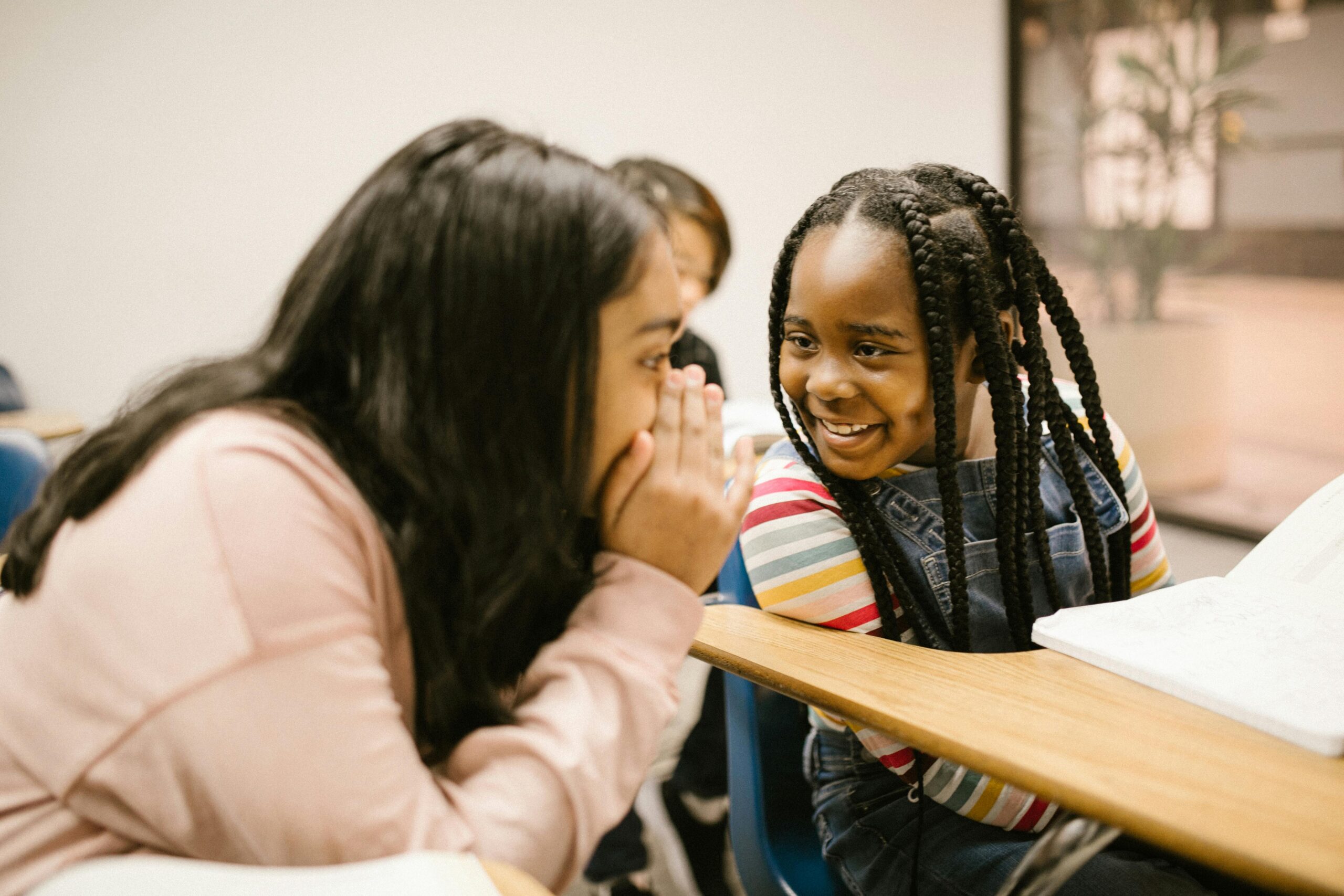
Turning Conversation Into Connection
Ultimately, conversation starters are means to an end: helping shy kids experience the joy of genuine connection. The specific words matter less than the intention behind them—reaching out, showing interest, inviting relationship.
As children practice and gradually internalize these skills, the scripts fade and authentic interaction emerges. What began as memorized phrases transforms into natural curiosity about others. The nervous energy shifts into excited anticipation. The child who once hid behind a parent’s leg begins initiating friendships independently.
This transformation doesn’t require perfection or personality overhaul. It simply needs patient adults providing appropriate tools, safe practice opportunities, and unconditional support. With these elements in place, shy kids absolutely can connect, thrive, and shine in their own beautiful, authentic ways.
Every confident conversationalist started somewhere, often with simple phrases that felt scary at first. The conversation starters shared here aren’t magic formulas—they’re training wheels that provide stability while children develop their natural balance. Eventually, those training wheels come off, and the child who once needed them pedals confidently forward, ready for all the friendships and connections their future holds.