In today’s fast-paced world, children and adults alike struggle to find balance between mental calm and physical energy. Movement-based calming cards offer an innovative solution that bridges this gap beautifully.

These simple yet powerful tools combine the benefits of mindful movement with structured breaks, creating opportunities for stress relief, improved focus, and better emotional regulation. Whether you’re a teacher managing a bustling classroom, a parent navigating energetic afternoons at home, or a therapist working with children who need sensory support, movement-based calming cards provide accessible strategies that work.
🧘 Understanding the Science Behind Movement and Calm
The connection between physical movement and mental well-being isn’t just anecdotal—it’s deeply rooted in neuroscience. When we engage in purposeful movement, our bodies release endorphins and other neurochemicals that naturally reduce stress and anxiety while boosting mood and concentration.
Research consistently shows that brief movement breaks throughout the day can significantly improve cognitive function, especially in children. The brain requires oxygen-rich blood to perform optimally, and physical activity increases circulation, delivering that essential fuel to our thinking centers.
Movement-based calming cards tap into this biological reality by offering structured, intentional activities that calm the nervous system while simultaneously energizing the body. This dual action makes them particularly effective for individuals who struggle with traditional seated meditation or静止 calming techniques.
What Are Movement-Based Calming Cards? 📋
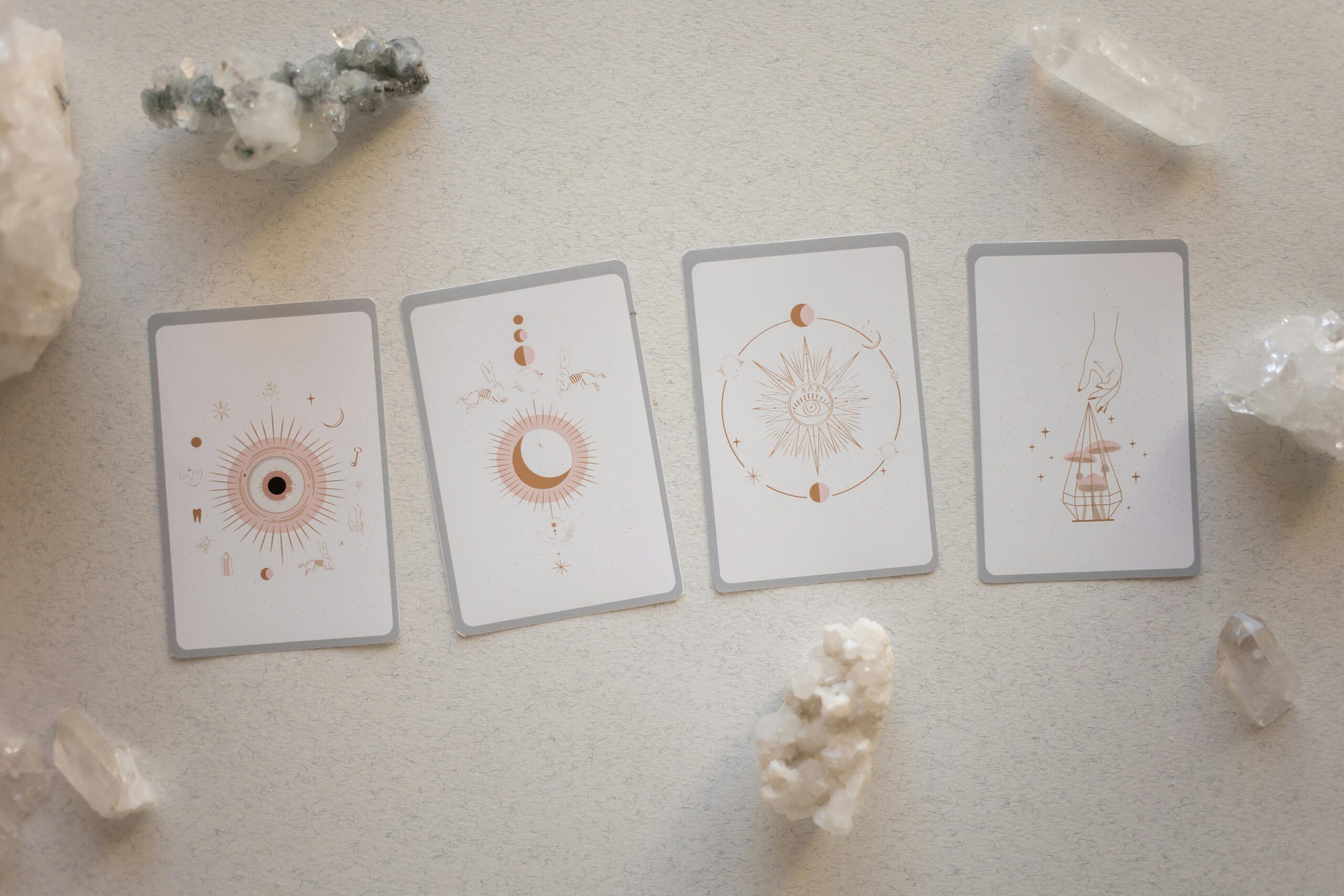
Movement-based calming cards are visual tools featuring illustrated or photographed exercises, stretches, yoga poses, or physical activities designed to help regulate emotions and energy levels. Each card typically includes a clear image of the movement, simple instructions, and sometimes breathing cues or duration recommendations.
These cards can be physical laminated cards that children can shuffle through and select, digital versions displayed on screens, or even wall-mounted poster sets. The beauty lies in their versatility and ease of use—no special equipment, extensive training, or large spaces are required.
The movements featured on these cards generally fall into several categories: stretching exercises that release physical tension, grounding activities that connect body awareness, energizing movements that combat fatigue, and calming sequences that reduce anxiety and overstimulation.
Key Components of Effective Calming Cards
The most effective movement-based calming cards share certain characteristics that maximize their impact. Visual clarity is paramount—children and stressed adults need to understand the activity quickly without confusion or frustration.
- Clear, simple illustrations or photographs showing proper form
- Age-appropriate language and instructions
- Color-coding to indicate energy level (calming, neutral, energizing)
- Estimated time for each activity (typically 30 seconds to 3 minutes)
- Safety considerations when relevant
- Optional modifications for different ability levels
The Magic of Wiggle Breaks ✨
Wiggle breaks represent a specific application of movement-based calming strategies that acknowledges a fundamental truth: bodies—especially young bodies—need to move. Fighting against this natural need creates frustration and behavioral challenges, while embracing it creates opportunities for regulation and refocus.
A wiggle break is essentially a brief, structured movement pause that allows accumulated physical energy to dissipate. Rather than viewing fidgeting and restlessness as problems to suppress, wiggle breaks reframe these impulses as signals that the body needs attention.
In classroom settings, implementing regular wiggle breaks has been shown to reduce disruptive behaviors, improve time-on-task metrics, and enhance overall academic performance. Students return to their work with renewed focus and decreased physical discomfort from prolonged sitting.
Implementing Effective Wiggle Breaks
The timing and structure of wiggle breaks can make the difference between a helpful tool and a chaotic disruption. Most experts recommend scheduling breaks every 20-30 minutes for younger children and every 45-60 minutes for older students and adults.
Movement-based calming cards make wiggle breaks easy to implement because they provide structure and variety. Rather than improvising activities on the spot, teachers or parents can simply display a card, and participants know exactly what to do.
The key is keeping these breaks brief—typically between one and five minutes—so they provide relief without derailing focus or momentum. The goal isn’t exhaustive exercise but rather momentary release and reset.
Stretching: The Foundation of Physical Calm 🤸
Stretching exercises form the cornerstone of many movement-based calming card systems, and for good reason. Stretching addresses the physical tension that accumulates in our bodies during stress, anxiety, or prolonged periods of sitting.
When we hold stress, our muscles contract and tighten, particularly in the neck, shoulders, back, and hips. This physical tension creates a feedback loop with our emotional state—tight muscles signal danger to the brain, which increases stress hormones, which tightens muscles further.
Gentle stretching interrupts this cycle. As muscles lengthen and release, they send signals to the nervous system that it’s safe to relax. Combined with deep breathing, stretching becomes a powerful tool for downregulating an activated stress response.
Essential Stretches for Calming Cards
Not all stretches are created equal when it comes to calming and regulation. The most effective stretches for calming cards target areas where tension commonly accumulates and can be performed safely without supervision.
- Neck rolls: Gentle circular movements that release shoulder and neck tension
- Shoulder shrugs: Lifting shoulders toward ears, then releasing with a sigh
- Forward fold: Bending forward from the waist, allowing gravity to create a gentle stretch
- Seated spinal twist: Rotating the torso while seated to release back tension
- Cat-cow stretch: Alternating between arched and rounded spine positions
- Butterfly stretch: Sitting with feet together, gently pressing knees toward the floor
🎯 Target Audiences: Who Benefits Most?
While virtually anyone can benefit from movement-based calming strategies, certain populations find them particularly transformative. Understanding these groups helps tailor card designs and implementations for maximum effectiveness.
Children in Educational Settings
Elementary and middle school students represent the primary audience for movement-based calming cards. Their developing nervous systems and natural need for movement make them ideal candidates for these interventions.
Teachers report that students who regularly engage with movement breaks demonstrate improved behavior, better peer relationships, and enhanced academic performance. The cards provide autonomy—children can choose activities that meet their current needs—while maintaining appropriate structure.
Individuals with ADHD and Sensory Processing Differences
People with ADHD often struggle with traditional calming techniques that require stillness. Movement-based approaches align with their neurological wiring, allowing them to regulate through action rather than despite it.
Similarly, individuals with sensory processing differences benefit from the proprioceptive and vestibular input that movement provides. Activities like jumping, pushing, or stretching help organize sensory information and create feelings of groundedness and calm.
Office Workers and Remote Professionals
Adults spending long hours at desks experience physical discomfort, mental fatigue, and decreased productivity. Movement-based calming cards offer quick, office-appropriate activities that combat these challenges without requiring gym access or extensive time commitments.
Creating Your Own Movement-Based Calming Card System 🎨
While commercial options exist, creating customized calming cards allows personalization to specific needs, spaces, and populations. The process is straightforward and can become a collaborative activity with children or students.
Begin by identifying the primary needs of your audience. Are they seeking primarily calming activities, energizing movements, or a balanced mix? Consider the available space—will activities need to work in tight quarters or is more room available?
Photograph or illustrate each movement clearly, ensuring that key body positions are visible. Include simple written instructions using action verbs and age-appropriate vocabulary. Consider adding breathing cues or countdowns to provide timing structure.
Organization and Accessibility
How you organize and present your calming cards significantly impacts their usefulness. Color-coding helps users quickly identify the type of activity—perhaps blue for calming, yellow for neutral, and red for energizing movements.
Storage matters too. Cards should be easily accessible but protected from damage. Options include binder rings that keep cards together but allow flipping, small boxes or baskets positioned strategically around the room, or wall-mounted displays for quick reference.
Integration Strategies for Different Environments 🏫
The effectiveness of movement-based calming cards depends largely on thoughtful integration into existing routines and environments. Random or inconsistent use limits their potential impact.
Classroom Implementation
Teachers can integrate calming cards into daily schedules as planned wiggle breaks, make them available during independent work time for self-regulation, or use them as transition activities between subjects. Some educators assign classroom jobs where students select and lead group movement breaks.
Creating a calm-down corner that includes movement cards alongside other regulation tools provides students with multiple strategies for managing big emotions. When a child feels overwhelmed, they can retreat to this space and use cards to regain control.
Home and Family Use
Families can establish movement routines around challenging times of day—before homework, after screen time, or during the pre-dinner witching hour. Making card selection part of morning or bedtime routines helps children develop body awareness and self-regulation skills.
Parents can model using calming cards themselves, demonstrating that movement for regulation isn’t just for children. This normalization reduces resistance and stigma while teaching valuable lifelong skills.
Therapeutic and Clinical Settings
Therapists working with children find movement-based calming cards invaluable for teaching coping skills in concrete, experiential ways. Cards can be used during sessions to practice regulation strategies and sent home as tangible reminders of therapeutic work.
Measuring Impact and Adjusting Approaches 📊
To ensure your movement-based calming card system delivers results, establish simple methods for tracking outcomes. This doesn’t require complex data collection—informal observations often provide sufficient feedback for refinement.
In classrooms, teachers might note changes in behavioral incidents, time-on-task during observations, or student self-reports about focus and energy. Parents can track homework completion time, emotional outbursts, or bedtime cooperation.
Be prepared to adjust your approach based on feedback and observations. Some movements will resonate more than others with your particular group. Periodically refresh card options to maintain novelty and engagement.
🌟 Beyond the Cards: Building a Movement-Friendly Culture
Movement-based calming cards work best not as isolated tools but as part of a broader philosophy that values physical activity as essential to well-being, learning, and emotional health.
This means examining policies and practices that unnecessarily restrict movement. Does your environment support standing work options? Are there opportunities for walking meetings or outdoor time? Do transitions between activities allow for natural movement?
Creating a culture that celebrates rather than suppresses the body’s need for movement transforms calming cards from band-aids into components of a truly supportive environment. Children and adults alike thrive when their physical needs are acknowledged and accommodated.
Addressing Common Concerns and Obstacles 💭
Despite their benefits, some hesitation around movement-based calming strategies persists. Understanding and addressing these concerns facilitates successful implementation.
Time constraints represent the most common objection. However, research consistently shows that brief movement breaks improve overall productivity and focus, meaning they save more time than they consume through enhanced efficiency and reduced behavioral redirections.
Space limitations also concern some educators and parents. The beauty of thoughtfully designed calming cards is that many activities require minimal space—stretching, breathing with movement, and balancing exercises work in tight quarters.
Some worry about fairness or disruption when individual students use calming cards during class time. Framing these tools as regulation strategies available to all—similar to how some students might need glasses or preferential seating—reduces resistance and normalizes self-care.
The Long-Term Benefits of Movement-Based Regulation 🌱
The value of movement-based calming cards extends far beyond immediate stress relief. Regular use helps develop interoception—the ability to recognize and interpret internal body signals—which forms the foundation of emotional intelligence and self-regulation.
Children who learn to use movement strategically for regulation carry these skills into adolescence and adulthood. They develop healthier relationships with their bodies, viewing physical sensations as information rather than problems to ignore or suppress.
This body awareness supports mental health throughout life, reducing risk for anxiety and depression while promoting resilience and adaptive coping. The simple practice of selecting and performing movements from a card deck plants seeds for lifelong wellness.
Embracing Movement as Medicine 💪
Movement-based calming cards represent a shift in how we approach regulation and well-being. Rather than viewing calm as the absence of movement, they recognize that for many people—especially children—calm emerges through purposeful, structured physical activity.
These tools honor the wisdom of our bodies while providing the structure that modern environments often require. They bridge the gap between our evolutionary need for movement and contemporary demands for focus and productivity.
As research continues to validate what many intuitively understand—that bodies and minds cannot be separated—movement-based calming strategies will likely become increasingly mainstream. Schools, offices, and homes that embrace these approaches position themselves at the forefront of a wellness revolution.
The journey toward calm minds and active bodies doesn’t require expensive equipment, extensive training, or major lifestyle overhauls. Sometimes, it starts with something as simple as a card featuring a stretching exercise and the willingness to honor what our bodies have been trying to tell us all along: movement matters, and when we move with intention, we discover profound pathways to peace, focus, and well-being.